 The National Lung Cancer Screening Program has screened more than 45,000 people since it was launched last July.
Figures from mid-December 2025 show 49,473 people enrolled in the screening program through the National Cancer Screening Register.
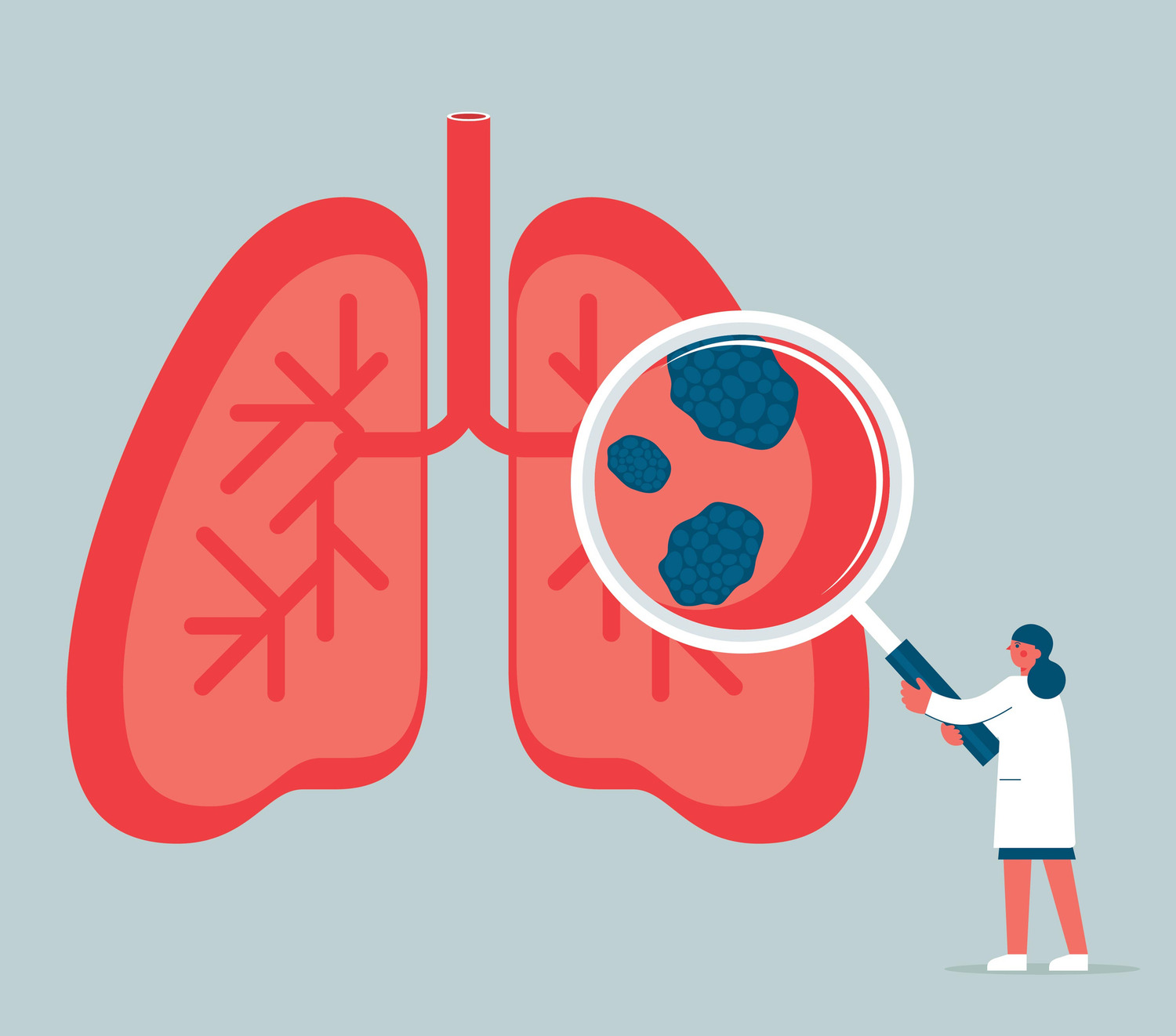
The National Lung Cancer Screening Program (NLCSP) offers low-dose CT scans to people aged 50-70 who smoke or have a history of smoking and who don’t have the symptoms or signs of lung cancer.
It targets people considered at high risk for lung cancer in the hope of catching the disease and intervening early.
Professor Fraser Brims, a Consultant Respiratory Physician at Sir Charles Gairdner Hospital and Director of Early Years Clinical Skills at Curtin University, said the numbers were a great success and that the program had surpassed initial expectations.
So far, more than 45,000 low-dose CT scans have been completed with around 5000 people requiring more frequent follow-up screening and about 560 people requiring immediate further investigation.
RELATED: National Lung Cancer Screening Program
Professor Brims said it would take time for national data to emerge regarding the impact of the program, but clinicians were already seeing anecdotal impacts.
“We have all begun to see individuals who have been positively impacted, be it the identification of early lung cancer at a time when it can be cured, improved awareness of lung health, or empowering and encouraging others to overcome their nicotine addiction,” he said.
“Further, we have seen initial success in rural WA with the mobile Heart of Australia CT scanners working with local communities and already finding early lung cancer.
“It is hugely exciting to see the early impact of the NLCSP on individuals and local communities.”
RELATED: Lung Cancer Screening program a game-changer for diagnosis
Professor Dorothy Keefe, chief executive of Cancer Australia, said with lung cancer being the most common cause of cancer death in Australia early intervention was vital.
“This program represents a major milestone in Australia’s efforts to improve cancer outcomes,” she said.
“As one of the first countries in the world to implement a national lung cancer screening program, we are detecting lung cancer early and improving survival through culturally safe, accessible screening services.”
The federal government has invested more than $260 million in the program, which is expected to save hundreds of lives a year.
Of that funding, $13 million has gone towards the It’s Good to Know campaign to inform Australians about the program.
The program may also prove to be a reminder to focus on overall health. Among those who have been screened is 60-year-old Eleesa who had smoked since she was 14.
Her scan was lung cancer-free, but it did pick up early onset emphysema, which Eleesa said was a “wake-up call” to prompt her to quit smoking.
Want more news, clinicals, features and guest columns delivered straight to you? Subscribe for free to WA’s only independent magazine for medical practitioners.
Want to submit an article? Email [email protected]