
 Western Australia’s respiratory syncytial virus (RSV) immunisation program for infants has been expanded – meaning the state is once again leading the way on RSV.
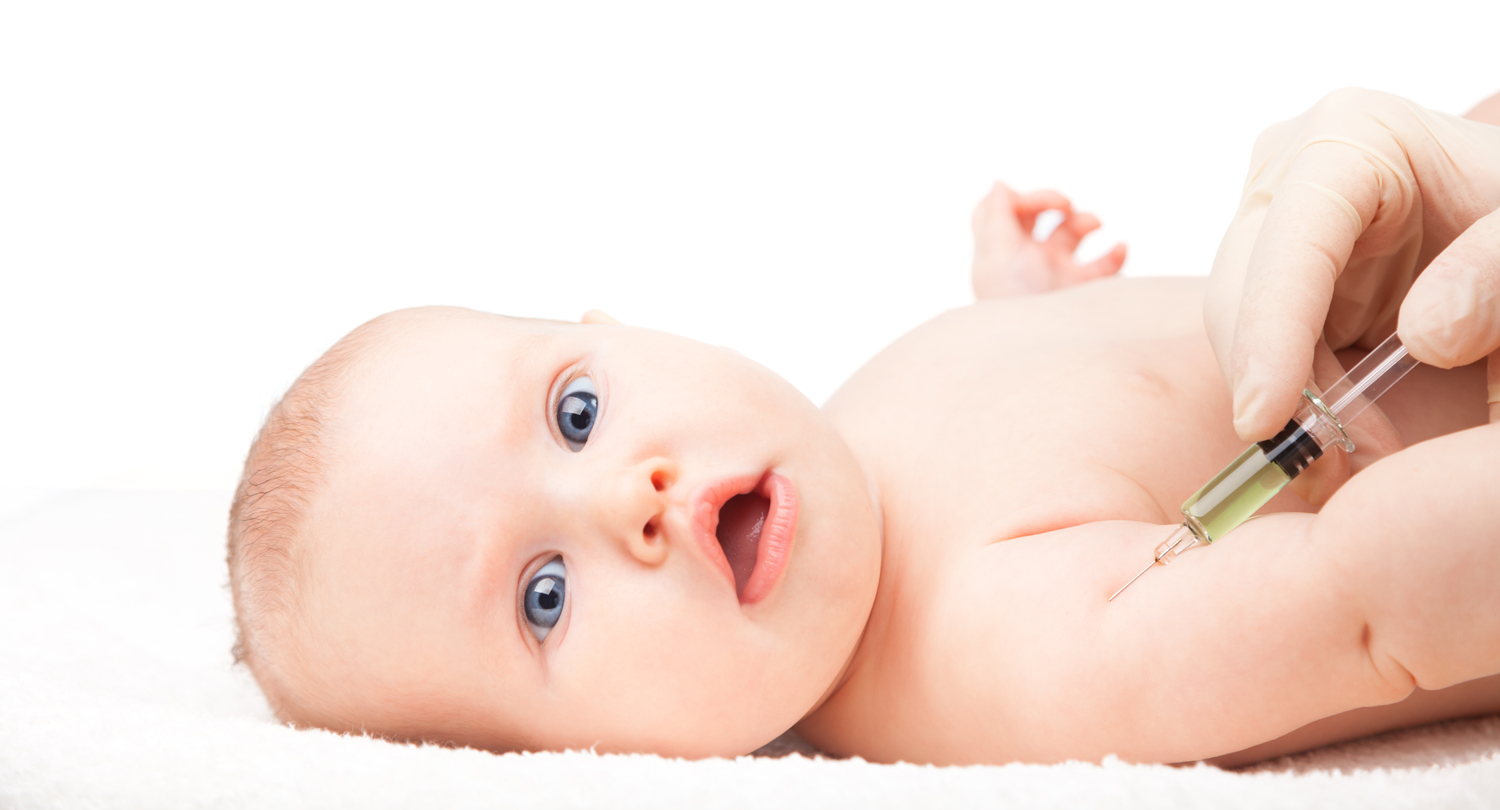
Increased eligibility for the state-funded program now allows all babies born between 1 October 2025 and 31 March 2026 to receive the infant immunisation, nirsevimab (also known as Beyfortus), at no cost ahead of winter – regardless of whether their mother received the RSV vaccine while pregnant.
The broader access aims to provide added protection for babies born during spring and summer to mothers who received maternal immunisation through the federal National Immunisation Program (NIP).
By the time the winter RSV season arrives for these babies, the maternal antibodies passed on during pregnancy have diminished, leaving the infant with little, if any, protection against severe RSV illness.
The program will run until 30 September 2026 and will also include:
- infants born between 1 April and 30 September 2026 who have a high-risk condition, or were immunocompromised
- Aboriginal children born on or after 1 October 2024
- children with a specific medical risk condition born on or after 1 October 2024.
Immunisation Foundation of Australian (IFA) Founder and Director Catherine Hughes welcomed the expanded access.
“Parents can now protect their babies from birth, when they are most vulnerable, and if needed, again ahead of winter when RSV cases and hospital admissions spike,” she said.
RELATED: Hundreds of hospitalisations avoided as WA leads the way on tackling RSV
Ms Hughes said that while both the maternal and infant RSV immunisations provide excellent protection for infants, they work best when given at the right time and, where appropriate, in two stages.
Maternal RSV immunisation protects infants from birth for up to six months, while infant RSV immunisation delivers pre-made antibodies directly to the child for protection throughout the RSV season (April-September in most of Australia).
“RSV protection will not be a case of ‘either-or’ for Western Australian babies,” she said.
“This world-leading approach provides the best possible protection against RSV, a virus that has historically been the leading cause of admission to hospital for infants.”
RELATED: Mind the gap – an inadvertent immunity effect
WA is a leader in protecting infants from RSV. It was the first state to fund infant RSV immunisation and Ms Hughes said it was now the first to “double-down on efforts” to immunise un-protected and under-protected babies.
“Ideally, other state and federal governments should follow WA’s lead and offer similar, optimal programs – because no baby should be left unprotected from RSV in the winter season,” she said.
Preventative Health Minister Sabine Winton said the expansion made the state’s RSV program one of the most comprehensive in the world.
The virus remains a leading cause of admission to hospital for Australian infants. So far this year, there have been 9,146 confirmed notifications of the virus in children under five years of age.
A total of 908 cases of RSV have been recorded in WA since the start of the year.
Transmission of the virus is highly seasonal in most areas of Western Australia, with peak RSV season from July to August.
Want more news, clinicals, features and guest columns delivered straight to you? Subscribe for free to WA’s only independent magazine for medical practitioners.
Want to submit an article? Email [email protected]