


The largest intake of new GP registrars in Western Australia has just begun their on-the-job specialised training.
A total of 251 new GP registrars are participating in the Commonwealth-funded Australian General Practice Training (AGPT) Program with the RACGP.
This year’s cohort is 28.1% bigger than the 2025 cohort. More than half of these future GPs and Rural Generalists (130) will spend the full three years of their training in regional, rural, or remote WA on a rural training pathway, a 68.8% increase on 2025.
The other 121 GP Registrars who are on a general pathway will train across Perth, with at least 12 months in an outer metropolitan, rural, or non-capital city region, or an Aboriginal and Torres Strait Islander health training post.
RACGP Vice President and WA Chair Dr Ramya Raman said the state’s growing cohort showcased the appeal of WA’s diverse training environments and the profession’s strong local reputation.
“People throughout the state will soon have better access to a GP who knows them and is a part of their community,” she said.
“That’s an incredibly valuable outcome for communities throughout the state, and it’s something we need sustained investment in to support.”
Dr Raman said more GPs would ease pressure on WA’s hospital system.
“Wider access to the continuous care GPs provide means better preventive health outcomes, and care provided by GPs after unplanned hospital visits significantly reduces the chance a patient is readmitted,” she said.
Dr Raman said the growth in the number of GPs training in regional and remote WA was especially welcome news.
Among them is Dr Prasanna Henegama. He worked as a medical doctor in Sri Lanka specialising in emergency medicine for about 15 years before undertaking training in Australia.
After a rewarding training experience in Kalgoorlie-Boulder, Dr Henegama decided to change medical pathways but stay in the outback city.
He said while rural medicine could be challenging, it was also engaging and rewarding and he planned to spend his career in rural Australia.
“You might end up with fewer facilities than you have access to in a metro setting, but at the same time I notice there are a lot of acute cases coming in and I think that’s something my experience from Sri Lanka can help with – maybe more than if I was in a metropolitan area,” Dr Henegama said.
“In a rural setting you aren’t always seeing a huge number of patients, so those you see you will meet again. As you work with them you can see them becoming well, and when they express their gratitude it’s like getting an immediate reward. It’s very satisfying.”
“It makes you feel more a part of the community, working so closely with people and their families.”
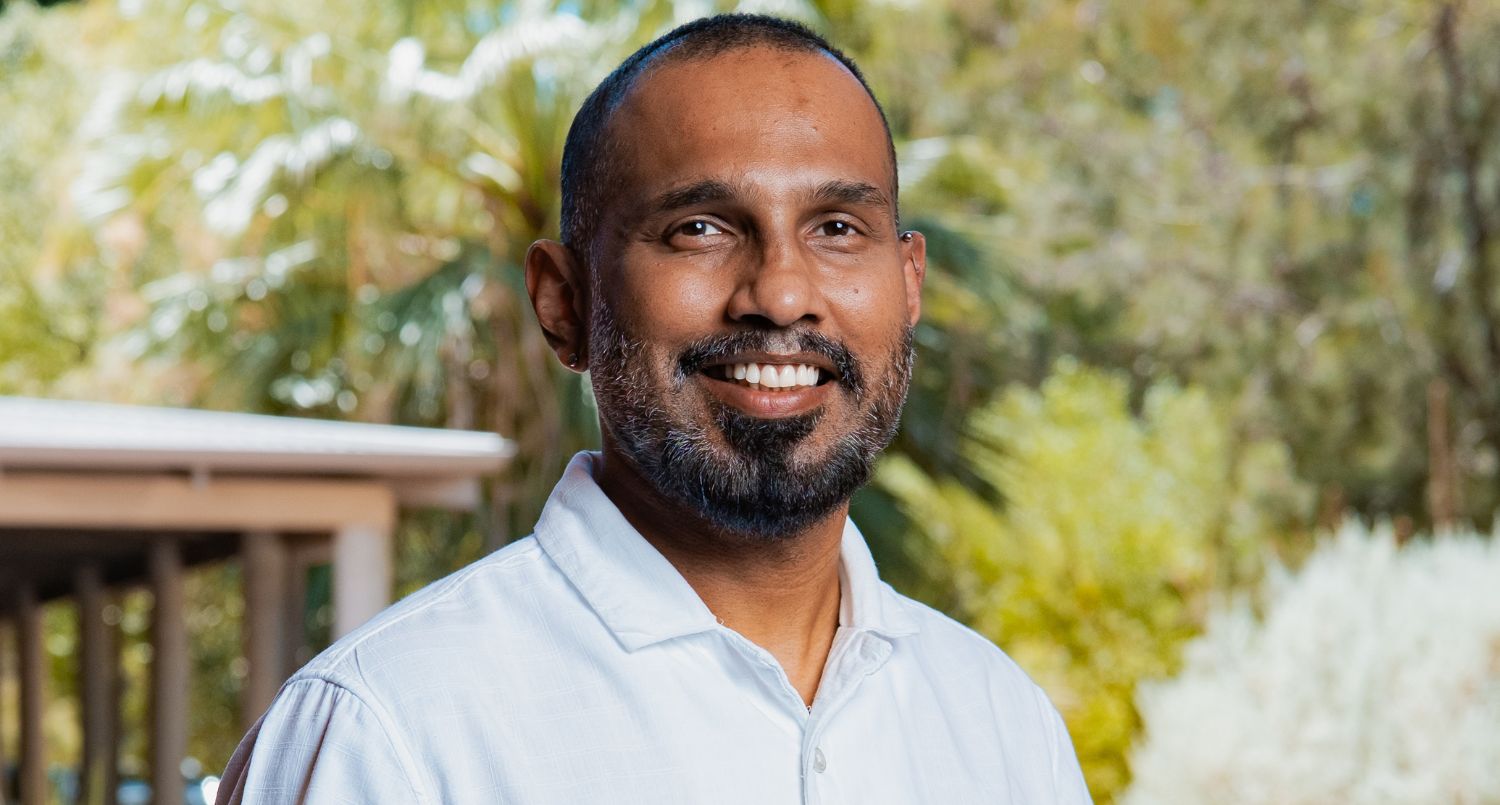
Dr Henegama has just begun his first year of Rural Generalist training with Bega Garnbirringu Health Services.
During the same week this new cohort begun their training, Federal Health Minister Mark Butler announced a five year agreement worth more than a billion dollars in which the RACGP and the Australian College of Rural and Remote Medicine (ACRRM) have signed up to continue delivering training through the AGPT program.
The RACGP will receive $751.3 million and the ACRRM will receive $331.7 million to deliver the program from now to December 2030.
ACRRM President Dr Rod Martin said the commitment recognised the College’s central role in training doctors with the skills required to practise safely and confidently in settings where they are most needed.
“This funding allows ACRRM to continue delivering high-quality training that reflects the realities of rural and remote practice,” Dr Martin said.
“ACRRM has seen sustained high levels of applications for Rural Generalist training in recent years, with a 30% increase in applications year on year for the past three years.
“This clearly reflects the strong demand among doctors for broad clinical skills, advanced specialist skills, and the adaptability across diverse community settings.”
Dr Martin said the agreement would support registrars in training and help strengthen the medical workforce pipeline for communities that face the greatest access challenges.
Want more news, clinicals, features and guest columns delivered straight to you? Subscribe for free to WA’s only independent magazine for medical practitioners.
Want to submit an article? Email [email protected]