

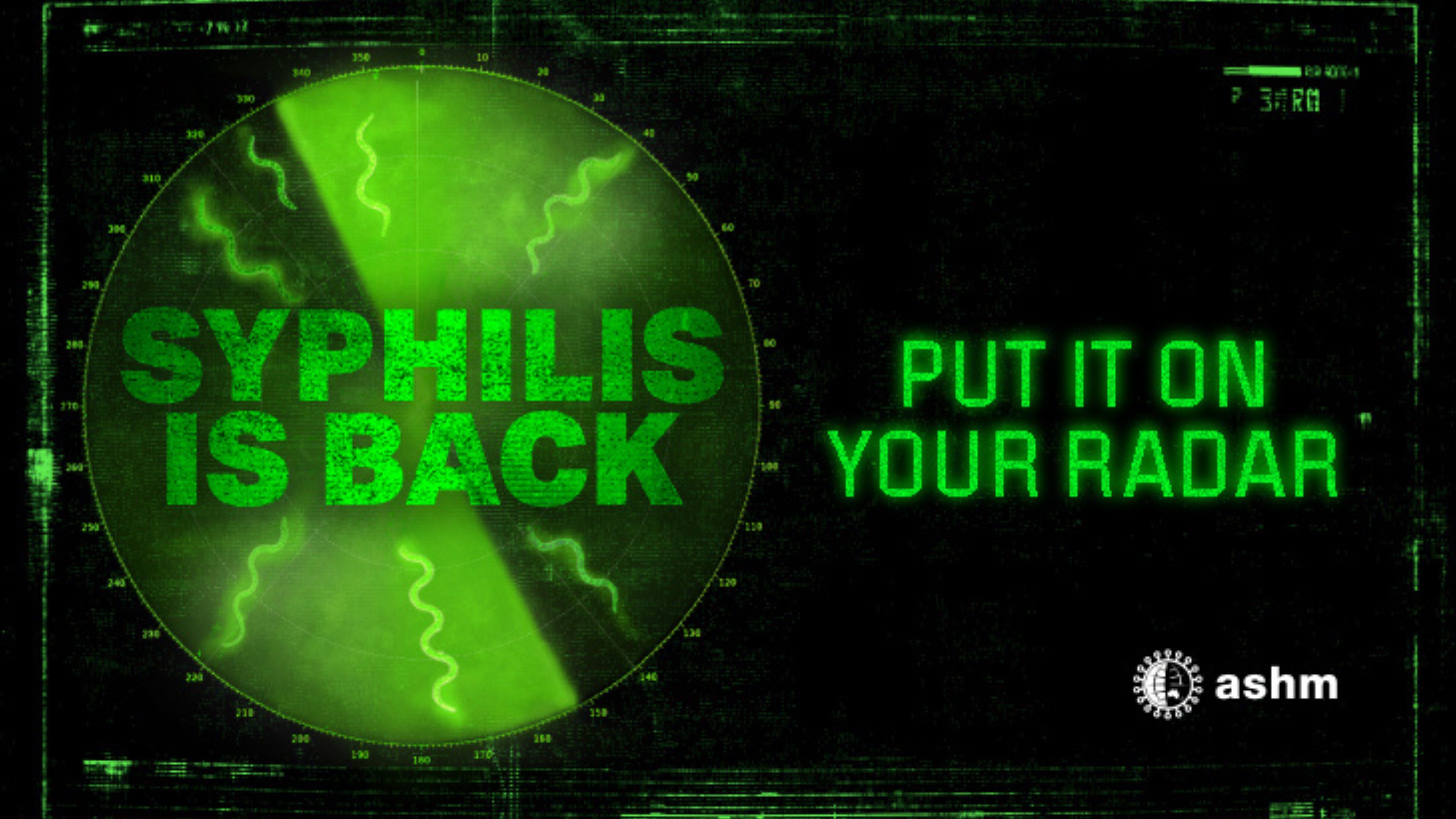
Syphilis cases across Australia have risen at an alarming rate over the last decade – almost quadrupling in WA – yet many healthcare workers lack confidence in testing for and treat it.
Cases of the sexually transmitted infection have more than doubled nationally since 2016 and last year it was declared a communicable disease incident of national significance.
However, new research has revealed that more than half (54%) of healthcare professionals don’t feel confident about when to test or refer for syphilis, while only two in five (38%) believe it’s their responsibility to raise sexual health with patients.
The research was conducted by ASHM Health via a survey of more than 800 Australian clinicians. It aimed to understand current awareness, attitudes and practices related to syphilis management within the Australian healthcare workforce.
In 2016 Western Australia recorded less than 200 syphilis notifications but by 2025 that number has risen drastically to 774 cases.
The STI can lead to serious health complications when left untreated, and congenital syphilis can have devastating consequences for babies.
In Australia, both adults and infants are still dying from untreated infections. During pregnancy, congenital syphilis can cause miscarriage, stillbirth, and premature birth.
Between 2016 and 2024, congenital syphilis resulted in 33 preventable infant deaths across the country.
While many healthcare workers are equipped to test or refer for STIs, just 21% talk about sexual health with patients regularly.
According to GP and sexual health expert Dr George Forgan‑Smith increasing the frequency of STI discussions is critical to stopping rising infections and avoiding preventable harm.
“We are seeing a significant rise in cases across all demographics. Testing is simple and vital,” he said.
“By normalising routine screening, and continuing to have regular conversations about sexual health with our clients, we can stop the spread.”
RELATED: Syphilis and affected babies – what every doctor needs to know
Syphilis is often referred to as ‘the great imitator’ as its diverse symptoms mimic many other diseases often leading to misdiagnosis, while nearly 50% of infected individuals may have no symptoms and are only diagnosed through blood testing.

GP and sexual health researcher Dr Karen Freilich said it was vital health care professionals were educating themselves on guidelines and making sure blood testing for syphilis and HIV was a standard part of STI screening.
“In Australia, all asymptomatic STI screening should include a blood test for both syphilis and HIV,” she said.
“It’s an easy to test and easy to treat disease, but our research found that there are still knowledge gaps with Australian healthcare providers.
“Two thirds of the healthcare providers that were surveyed think that a syphilis test is part of a urine test, and that’s not correct.”
In response to these findings, ASHM is launching a National Syphilis Awareness Campaign to equip healthcare professionals with practical tools for early detection and testing.
The campaign is working with doctors, nurses and community workers across Australia to help spread the message across the healthcare sector.
“We know knowledge gaps limit healthcare workers’ ability to identify risk and respond early,” ASHM chief executive Alexis Apostolellis said.
“This is why ASHM Health is focused on rolling out targeted education to promote awareness and understanding related to syphilis, to ensure it’s on all healthcare professional’s radars and to ensure that we are doing everything we can to stop the spread.”
The decision-making tool, campaign resources and clinical guidance can be accessed on the ASHM website.
Want more news, clinicals, features and guest columns delivered straight to you? Subscribe for free to WA’s only independent magazine for medical practitioners.
Want to submit an article? Email [email protected]