
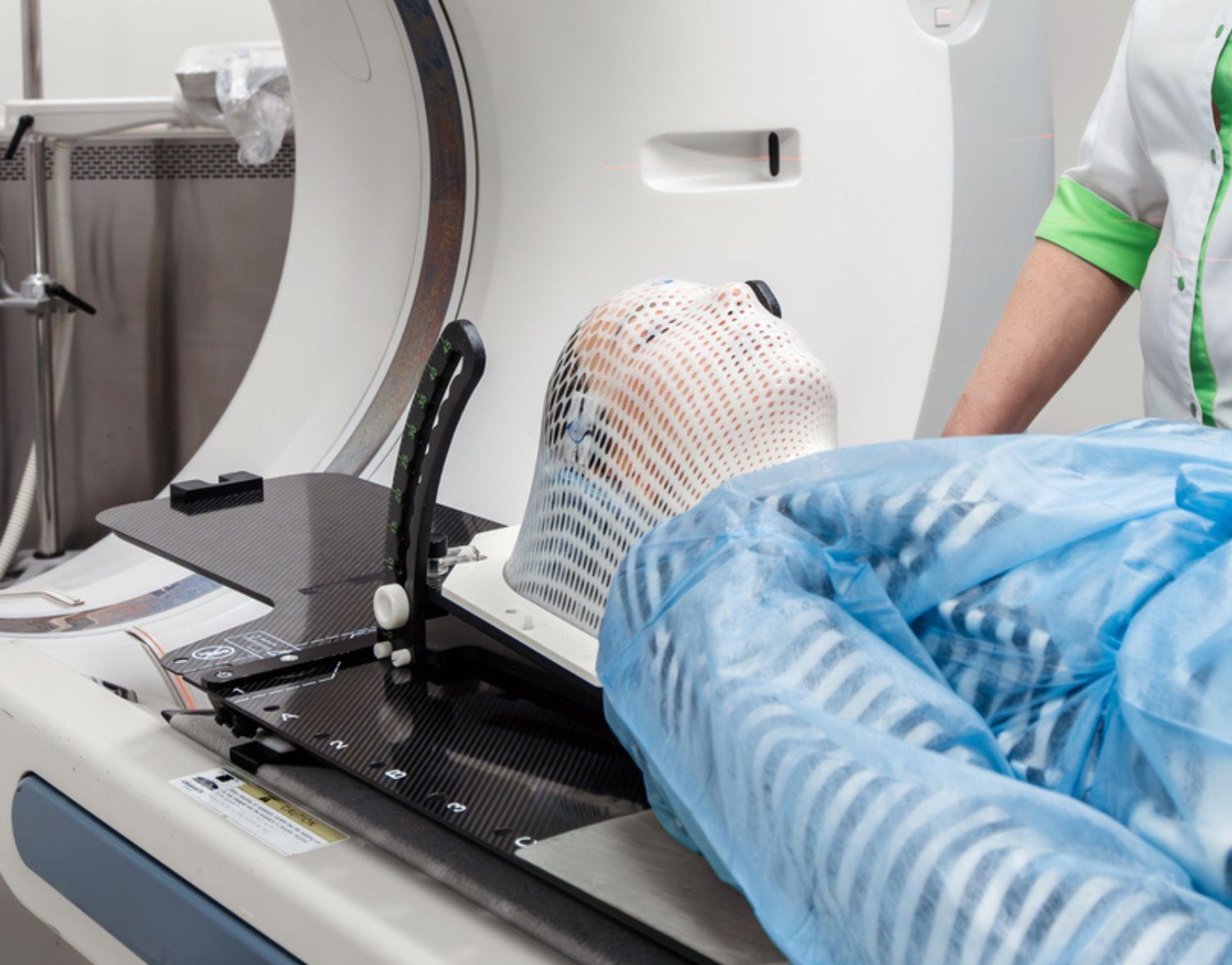
The head of the Australian Medical Association (WA) has taken aim at policy and funding decisions around radiation therapy in Perth’s eastern suburbs, which he said have failed to keep pace with the needs of the community.
A year after his predecessor called for the state government to “fix the postcode lottery on radiation therapy”, AMA (WA) President Dr Kyle Hoath has called for an inquiry into the absence of publicly funded radiation oncology services in the East Metropolitan and Perth Hills areas.
This reality forces cancer patients to either go private and face out-of-pocket expenses or travel to another part of the city for treatment.
Liberal Member of the Legislative Council Anthony Spagnolo presented a petition with almost 2500 signatures to WA Parliament on the matter on March 11. It called for the matter to be immediately addressed and for the government to provide a clear timeline for implementation.
In a recent blog post Dr Hoath said it was difficult to justify arrangements that imposed “such avoidable hardship” when practical alternatives were available.
“Radiation therapy is a core component of modern cancer treatment and is commonly delivered on a daily basis over extended periods,” he said.
“Patients in these communities face a stark and unreasonable choice: endure long and physically demanding daily travel across the city for weeks on end or pay substantial out‑of‑pocket costs to receive treatment closer to home.
“For patients who are unwell, fatigued, or managing complex symptoms, these additional barriers can have a real impact on wellbeing, treatment adherence and recovery.”
RELATED: Midland patients face long journeys for radiation therapy
Dr Hoath said publicly funded radiation oncology services in the East Metropolitan region and Perth Hills could be achieved via facilities that already existed in the area, as is done in Rockingham where a public-private partnership between the state government and Icon Cancer Centre exists.
He wants the issue to be examined by the Legislative Council Standing Committee on Environment and Public Affairs.
“An inquiry like this would provide a transparent forum to hear directly from patients, clinicians and health system experts, and to assess the broader consequences of the current arrangements,” Dr Hoath said.
In a statement to Medical Forum, Health Minister Meredith Hammat said the state government was continuing to look at ways to improve access to cancer services but did not say whether it had plans to partner with the private sector to provide this service, or if there were broader plans to deliver such services through a public facility.
“We know travel can be difficult for some patients and their families, which is why we are continuing to look at ways to improve access to cancer services,” she said.
Icon Cancer Centre WA State Manager Colin La Galia said public-private partnerships can play an important role in expanding capacity and improving access for patients where they live.
He said the Centre was committed to working collaboratively with government, public health services and community partners to support access to affordable cancer care.
However, no comment around the status of any negotiations with the state government on the matter was provided.
Want more news, clinicals, features and guest columns delivered straight to you? Subscribe for free to WA’s only independent magazine for medical practitioners.
Want to submit an article? Email [email protected]