

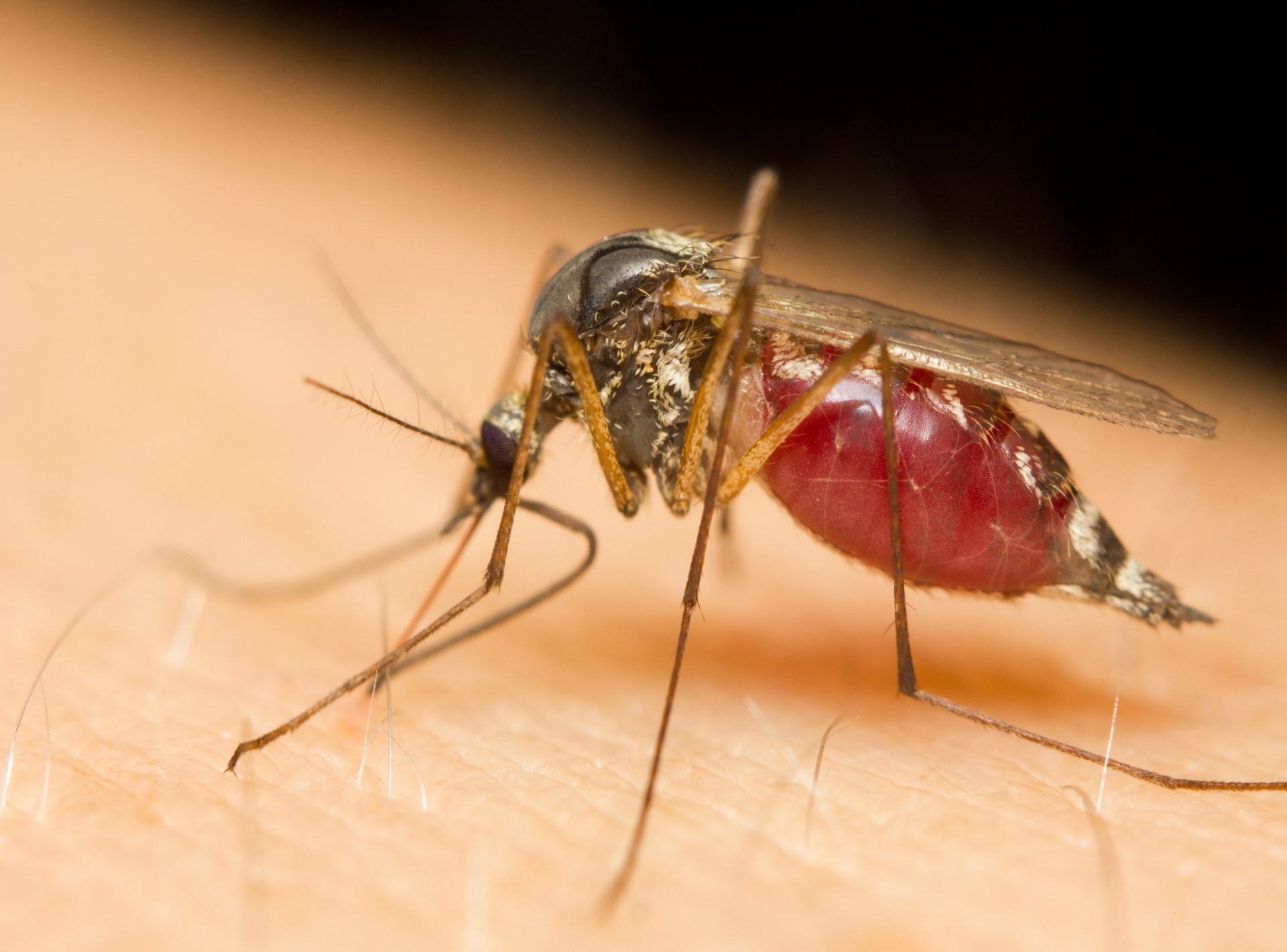
WA Health is warning residents and travellers that Ross River virus (RRV) has been detected in mosquitoes collected from the South West for the first time in two years.
Medical Entomologist Dr Jay Nicholson said that virus activity had been detected at multiple trapping sites by the department’s mosquito surveillance program, indicating that RRV is active again in the region.
“Over the past fortnight, the virus has been detected in mosquitoes collected from Leschenault to east Busselton, along the coastal corridor,” he said. “Mosquito numbers are increasing in the region due to the onset of warmer weather, with warmer nights recorded across the South West from February this year.”
However, while the immediate risk is likely to be greatest in coastal areas near seasonal wetlands and saltmarshes, the virus may become active further south and inland with the onset of warmer weather. Dr Nicholson said people visiting the South West should take precautions to avoid mosquito bites over the coming months.
“Mosquito management is being carried out by local government in collaboration with the Department of Health in areas with a recognised risk of mosquito-borne disease,” he said.
“However, it is not realistic to rely on mosquito management programs alone to control mosquitoes – people living in or travelling to the region also need to take their own precautions to avoid mosquito bites.”
Environmental variables such as temperature, relative humidity and precipitation are known to impact mosquito activity, survival, and distribution, with temperatures between 15°C to 24°C more suitable for breeding, with temperatures above 28°C leading to a decrease in mosquito abundance.
Australia’s climate has warmed by 1.47 °C between 1910 and 2021, with the national mean temperature for the financial year 0.13°C warmer than the 1961-1990 average, and similarly, sea surface temperature for the Australian region was the third highest on record at 0.64 °C above the average for the same period, all conditions likely to accelerate mosquito breeding.
However, according to the department’s quarterly entomology reports, between October and December last year, only eight RRV cases in the South West were notified by lab, including five cases notified by a GP, which was significantly below the long-term mean for this quarter of 25 due to a very wet October and November and a rapid drying out in December.
This trend continued into the first quarter of 2023, with below average rainfall in January, virtually no rain recorded in February, and little in March, with only three RRV cases notified by both lab and doctor – compared to an average of 50 cases for this quarter.
Despite RRV being found locally in mosquitos, the South West only recorded four cases between April and June 2023, but during this period, there were 52 cases detected in the South Metropolitan health region and 11 detected in the Northern suburbs.
Statewide, the long-term mean for RRV cases is 757 per year, based on all notifications since July 2002, with 76 RRV cases reported across WA between April and June 2023, including 40 that were notified by doctor, which was still significantly below the long-term average number of RRV cases for this quarter (156).
“Symptoms of RRV include painful or swollen joints, sore muscles, skin rashes, fever, fatigue, and headaches, lasting for weeks to months,” Dr Nicholson said.
“The only way to diagnose whether you have a mosquito-borne disease is to visit your GP and have a specific blood test. There is no vaccine, cure, or specific treatment for RRV, so it is important that people take care to prevent being bitten by mosquitoes.”