

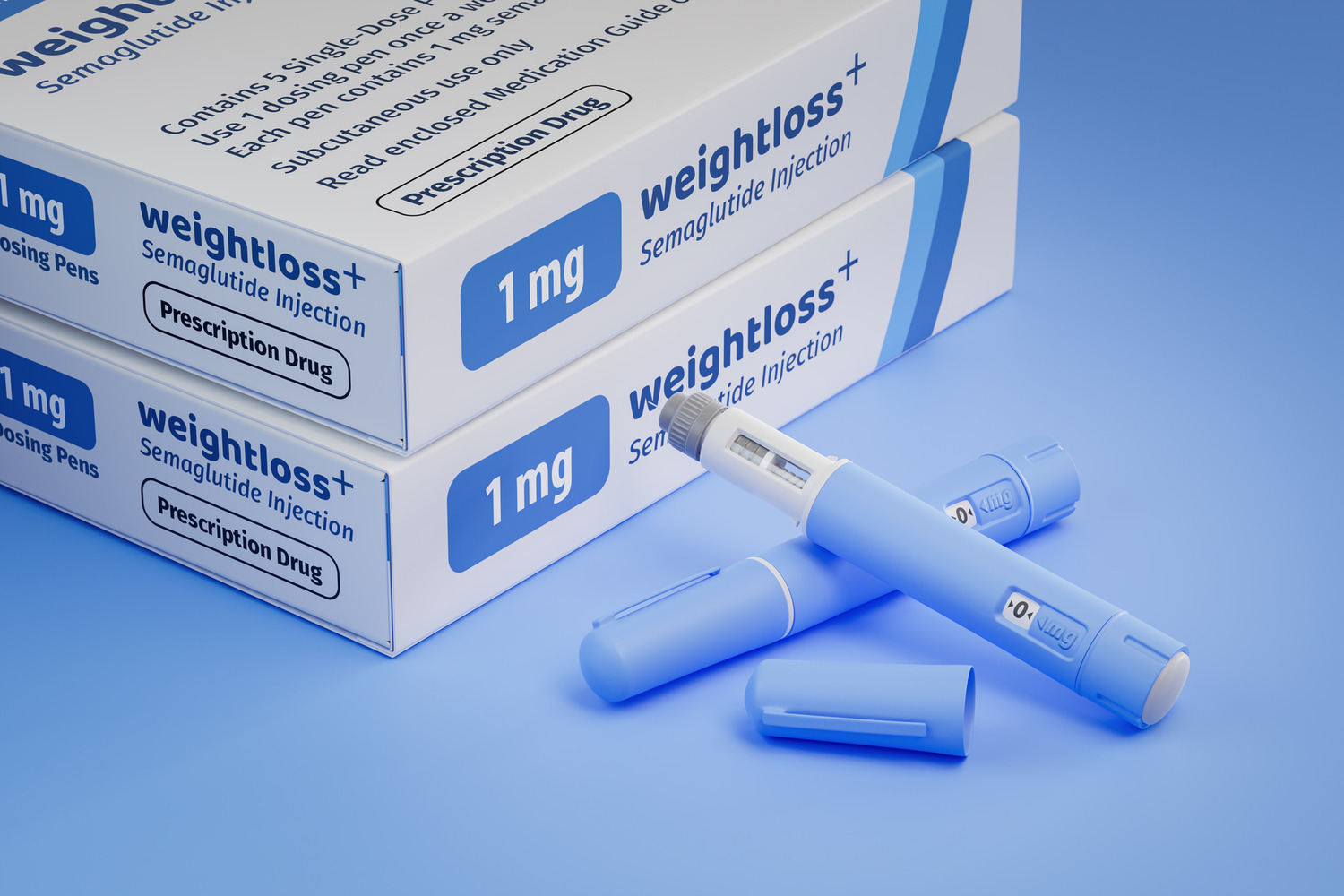
 Australia’s medicines regulator has issued a safety warning for diabetes and obesity medications over the potential risk of suicidal thought and behaviours.
Doctors are being urged to consider the benefits and risks of glucagon-like-peptide-1 receptor agonis (GLP-1 RA) medicines for individual patients and monitor the emergence or worsening of depression, suicidal thoughts or behaviours, or any unusual changes in mood or behaviour.
The Therapeutic Goods Administration (TGA) undertook an investigation on adverse events that had been reported to the regulator, including two reports of suicide, one of self-harm and 72 reports of suicidal ideation.
The administration sought advice from the Advisory Committee on Medicines, which found that the evidence available was not sufficient to support an association between GLP-1 RAs and suicidal or self-harming behaviours.
However, the ACM noted product information and consumer medicines information documents across the class were inconsistent and should be harmonised.
“The ACM stressed that updates should not imply a causal association, but reflect a class level awareness,” the TGA advised.
GLP-1 RAs are used to manage type 2 diabetes mellitus and obesity. Those currently available for use in Australia are semaglutide products, sold under the brand names Ozempic and Wegovy, liraglutide sold as Saxenda, dulaglutide sold as Trulicity and tirzepatide under the brand name Mounjaro.
“Consider the benefits and risks for individual patients before initiating or continuing therapy in patients with suicidal thoughts or behaviours,” the TGA said in a statement.
“Advise patients to tell their health professional if they experience new or worsening depression, suicidal thoughts or any unusual changes in mood or behaviour.”
Contraception concerns
Following a separate investigation, the product information and consumer medicines information (CMI) for Mounjaro has also been updated to include further advice for patients using oral contraceptives.
An investigation into the potential for reduced effectiveness of oral contraception during initiation or dose escalations with Mounjaro found that this association could not be ruled out.
RELATED: Why contraception should be part of GLP-1 conversations
Medical practitioners should advise patients taking the medication alongside oral contraceptives to switch to a non-oral contraceptive or add a barrier method of contraception for four weeks after initiation and for four weeks after each dose escalation.
They should also advise patients that GLP-1 RAs should not be used during pregnancy, and individuals of childbearing potential are advised to use effective contraception during treatment with a GLP-1 RA.
Want more news, clinicals, features and guest columns delivered straight to you? Subscribe for free to WA’s only independent magazine for medical practitioners.
Want to submit an article? Email [email protected]