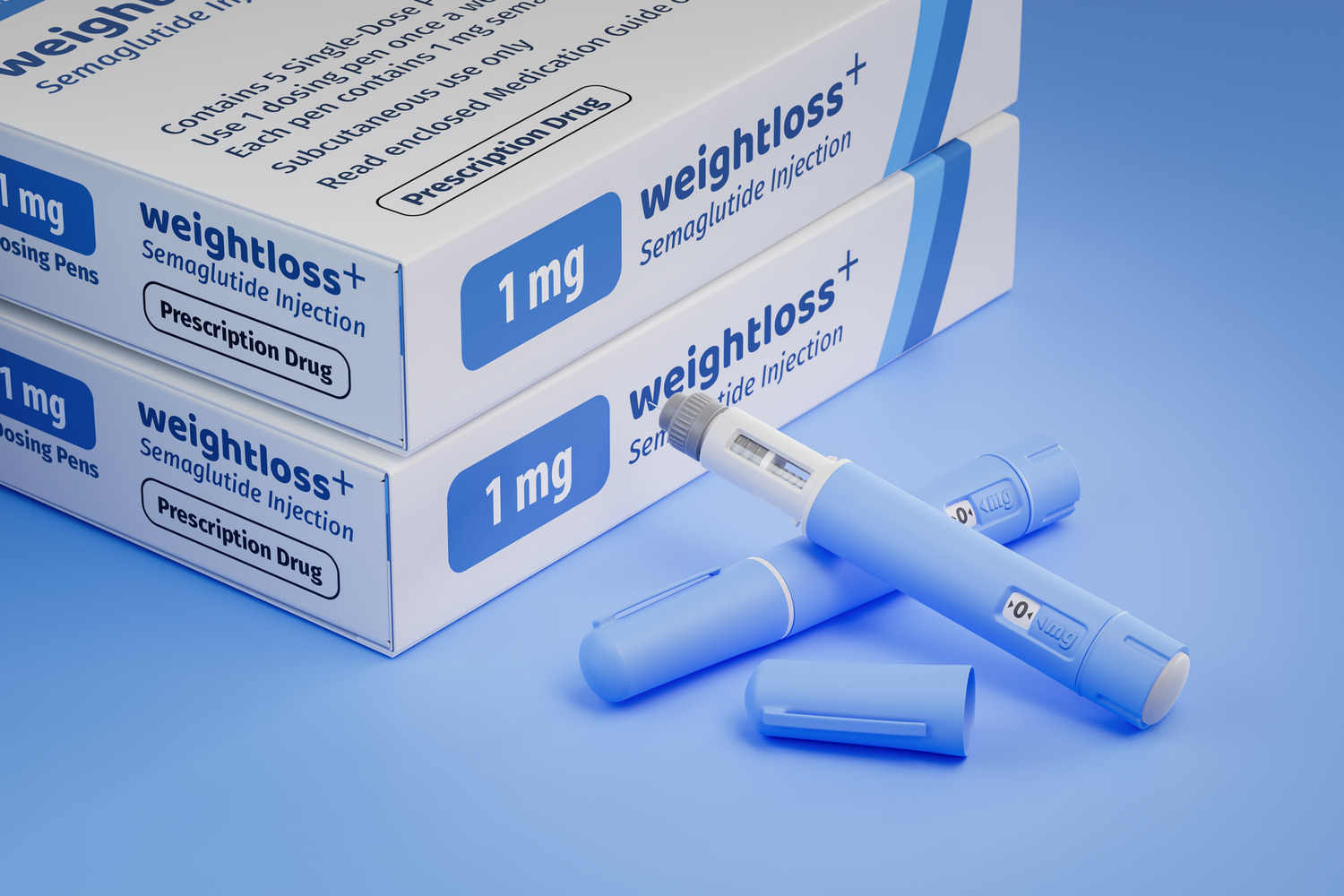
 The Pharmaceutical Benefits Advisory Committee has recommended that semaglutide be subsidised through the Pharmaceutical Benefits Scheme for adults with established cardiovascular disease (eCVD) with obesity.
The recommendation came out of the committee’s November meeting.
Notes from the meeting state the recommendation was for patients who had “already experienced a cardiovascular event such as a heart attack, stroke, or have symptomatic peripheral arterial disease”.
The PBAC considered three potential patient populations based on different Body Mass Index cut-offs: ≥27 kg/m2, ≥35kg/m2 and ≥40 kg/m2.
However, the committee recommended limiting PBS access to people with a BMI of 35 kg/m2 or higher, or 32.5 kg/m2 or higher for people of Asian, Aboriginal, or Torres Strait Islander ethnicity.
By limiting access to the drug, the committee hopes to minimise the financial burden to the PBS and target potentially higher risk individuals.
RELATED: Weighing options in obesity management: Surgery vs GLP-1 agonists
They acknowledged that, while there are effective treatments on the PBS for people with eCVD, they still face residual risk of future cardiovascular events.
Some research suggests adding semaglutide to current therapies may help reduce this risk further in conjunction with what conventional therapy offers.
The committee considered evidence from a large clinical trial involving more than 17,000 people in which those who took semaglutide alongside their usual heart medicines had a lower chance of having another major cardiovascular event compared to those who took usual heart medicines only.
Based on the trial results, for every 1000 people treated with semaglutide across 3.5 years that also had a BMI ≥35 kg/m2, there would be 39 fewer major heart events and four fewer deaths compared to those who did not take semaglutide, according to the committee.
RELATED: A weighty issue: managing male obesity with weight loss drugs
Associate Professor Harsha Chandraratna, a general and obesity surgeon, told Medical Forum the cost of accessing Wegovy was a factor for many people.
While he welcomed the recommendation, he added that a wider group of people could benefit from having access to Wegovy through the PBS, with the benefits being more than just cardiovascular.

“There’s no doubt that the PBS is going for value for money by setting the BMI cut off at 32 for Aboriginal and Torres Strait Islanders and Asians, and above for other high risk groups, but the research paper suggests that 27 is adequate for someone with a cardiovascular event to achieve a positive outcome from the medication, independent of ethnicity,” he said.
“The vast majority of our health dollars are spent on patients in the last two years of their life, and I suspect that this PBS ruling will be similar. We really don’t have a preventative approach which I suspect would be better for these patients.”
The RACGP’s position statement on obesity prevention and management recommends increased government support for clinical services, effective obesity-management adjunct therapies including equitable access to public-funded bariatric metabolic surgery, and PBS subsidised obesity-management medication.
Want more news, clinicals, features and guest columns delivered straight to you? Subscribe for free to WA’s only independent magazine for medical practitioners.
Want to submit an article? Email [email protected]