

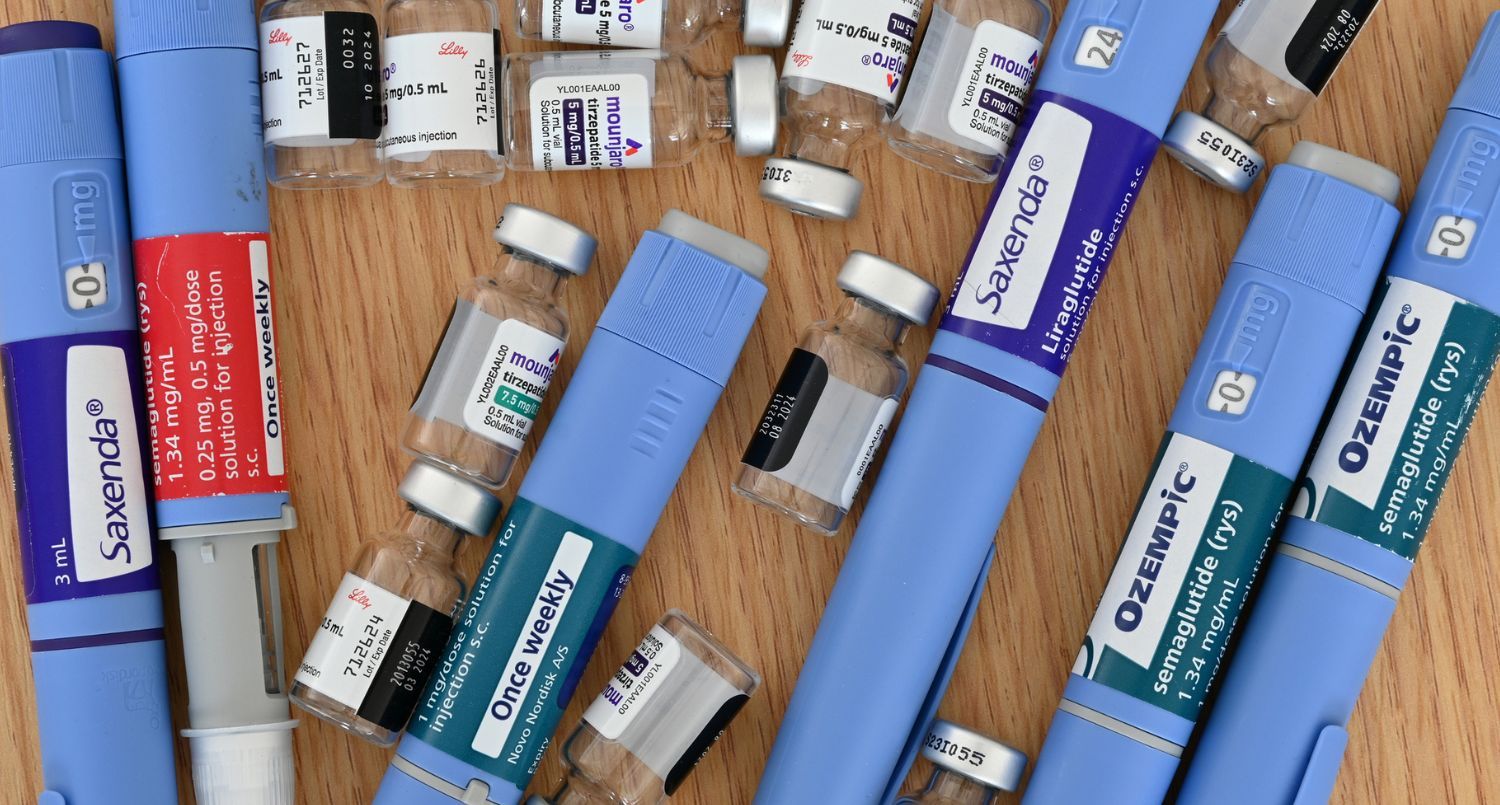
More evidence is needed before GLP-1 medications should be considered to manage child and adolescent weight, the RACGP has said.
It comes as the head of the pharmaceutical company responsible for manufacturing Ozempic and Wegovy suggested his company was preparing for a future in which the drugs could be administered to younger people.
But the suggestion has faced backlash from health professionals who say first-line treatment options for losing weight such as lifestyle changes and exercise should be exhausted first.
RACGP Vice President and WA Chair Dr Ramya Raman told Medical Forum while there was evidence on the effectiveness of such medications in regard to weight loss for adults, it was important to not translate that data directly to children.
“We know that we have got some evidence on the effectiveness of these medications, particularly for diabetes and patients who are wanting to lose weight, be we do need to make sure that we’re not translating that data into an age group that we don’t know very much about,” she said.
“We also know that the journey a patient takes during weight loss has a a holistic aspect of supporting the patient with dietary changes, exercise, maintaining their muscle mass and enabling them to keep the weight off when they come off the medication.
“All these considerations are a completely different ballgame when we’re talking about children.”
Dr Raman said there were many other first-line options available for assisting children with weight management.
“We don’t want to be medicalising these things too quickly, too soon for kids,” she said.
RELATED: Not lovin’ it: Fast food ads driving childhood obesity
Speaking at the National Press Club of Australia last week, Novo Nordisk president Mike Doustdar said GLP-1 products were being tested and tried on adolescents.
He said while healthier environments, exercise and food intake should be considered as a first approach to tackling obesity in children, he described obesity in children and adolescents as a “ticking time bomb” and an issue for which solutions needed to be found.
“We are making sure that our products are being tested and tried on adolescents and making sure that they are safe, so if support and help is needed on that front it’s available. We don’t discriminate the age,” he said.
The comments were made in a Q&A with journalists following a speech on March 16 titled: How Australia can lead the world against chronic disease.
The RACGP has also warned cost needs to be considered before these medications are prescribed to children, with many adult patients already facing hundreds of dollars in costs each month to access these drugs for weight loss.
RELATED: Safety warning over fake weight loss drugs
However, there is a general consensus that something needs to be done to combat the rising number of children and teens struggling with their weight. Around one in four children in WA considered overweight or obese.
Recent research by Cancer Council WA found fast food brands have a pervasive presence in communities, ensuring that the food and drinks they sell are the most available, accessible, promoted, and recognised by children, contributing to an environment “stacked against” children’s health.
Dietician Isabelle Fedele from Better Health Company told Medical Forum GP’s needed to support families through behaviour change to address weight concerns.
Want more news, clinicals, features and guest columns delivered straight to you? Subscribe for free to WA’s only independent magazine for medical practitioners.
Want to submit an article? Email [email protected]