
Patients can sometimes become like ping pong balls, being bounced backwards and forwards between GPs and emergency departments.
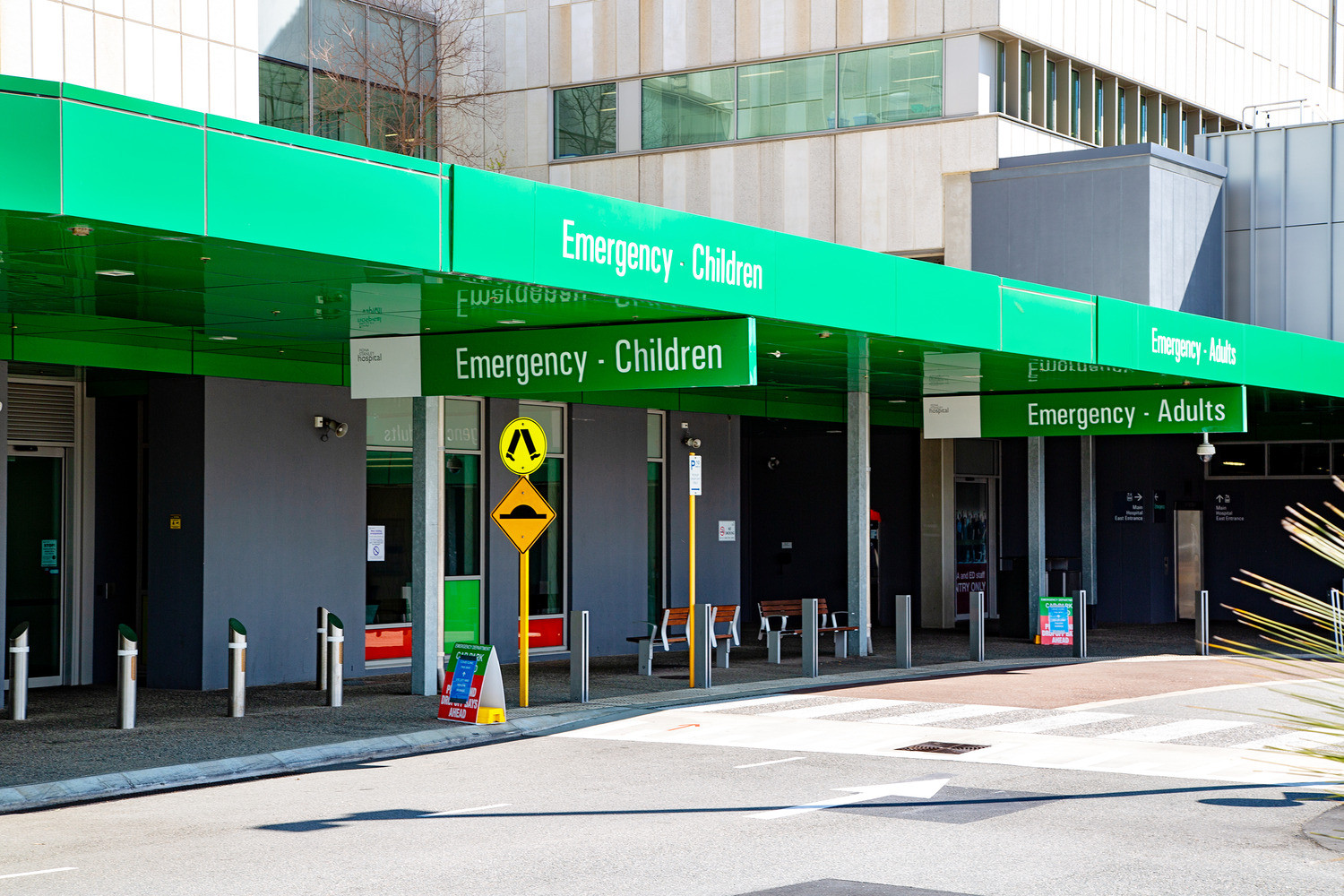
That’s the analogy Dr Tracey Bhar, an emergency consultant in at Fiona Stanley Hospital, used to describe the experience of patients referred to EDs.
Dr Bhar has a passion for improving patient pathways and access to care. She wants to reduce the frustration felt by patients and increase efficiencies.
Speaking to Medical Forum she said while the “bread and butter” work in an ED was about being able to resuscitate the sickest of patients, in recent years the job had evolved to have a greater focus on patient flow.
“Patient access is becoming a larger part of our role rather than purely doing all of the adrenaline stuff,” she said.
That is what has led Dr Bhar to develop an interest in ensuring patients get the right care in the right place.
“It’s about how we get people to actually access care, or how do we get the right people to us and direct the people who don’t need to be there to the right places so we are not taking up those resources,” she said.
It’s no secret that the state’s emergency departments are under extreme pressure at times, with representative bodies such as the AMA (WA) having warned of a crisis in emergency care. Ambulance ramping is often high and many patients present to EDs when perhaps their needs may be better served elsewhere.
RELATED: WA emergency departments ‘creaking’ under capacity needs
The role of GPs
Dr Bhar said GPs could assist patients and EDs by familiarising themselves with the different capabilities and specialities offered at each hospital in order to better direct patients they refer to emergency.
They could also provide them with realistic expectations around what will happen at the ED.
“When patients come in on referral from their GP, they often think they are going to get straight into the emergency department and see a consultant or a specialist, but eight hours later they’re still stuck in the waiting room and we haven’t seen them,” she said.
“When we do see them and say ‘actually, you’ve come to the wrong hospital because we don’t have neurosurgery, or we don’t have ophthalmology’ people are astounded. They’ll say ‘but you’re the largest hospital in Perth’.
“The funding was done in such a way that we actually don’t have every single specialty. This is a really big problem, someone might need an ED, but not my ED.”
She said a phone call could often clarify the best place to direct a patient.
Dr Bhar also said an ageing population and increasing rates of complex and chronic disease, combined with access issues to GPs – especially bulk billing GPs – had contributed to demand on EDs.
But, she said, at times there were also cases that should not have been referred to ED at all.
“I can only imagine the frustration a patient must feel at the end of the day when it’s now 9pm and I’m sending you home after you went to your GP at 8am, and I’ve added nothing apart from saying go back to your GP,” Dr Bhar said.
“In many cases, they can probably be referred to a clinic because this wasn’t an emergency in the first place.
“The poor patient is left completely distrustful of the health system. Unless you have private health insurance, you’re just kind of ping-ponging back and forth.”
RELATED: Urgent care clinics – are they working as intended?
Dr Bhar admitted it can be a “frustrating system for all of us to navigate”, but added that while a case might be the most important thing a GP has seen that day, for those in the ED it’s often not.
She said while the state’s health department had begun looking at ways to best manage the flow of patients, she believed it was a long way from being an easy to navigate system.
In February, the WA government launched the Access Health WA website to help inform the public about health care options and aid navigation of the system.
The federal government has been investing in urgent care clinics and incentives to encourage more GP clinics to bulk bill in a bid to ease pressure on the system.
Dr Bhar will be speaking at Medical Forum Live, a clinical education event taking place on May 9 where attendees can earn up to 22 hours of CPD.
Her talk, From Door to Disposition: Patient Pathways in the Emergency Department, will be one of the presentations taking place. The day will cover clinical education on common, acute and chronic presentations to general practice. Connect with colleagues from across WA and complete almost 50% of your yearly CPD requirements.
REGISTER TO ATTEND – SPACES ARE LIMITED
Want more news, clinicals, features and guest columns delivered straight to you? Subscribe for free to WA’s only independent magazine for medical practitioners.
Want to submit an article? Email [email protected]