
 The world’s first clinical practice guideline for the use of MDMA has been written and released in Australia.
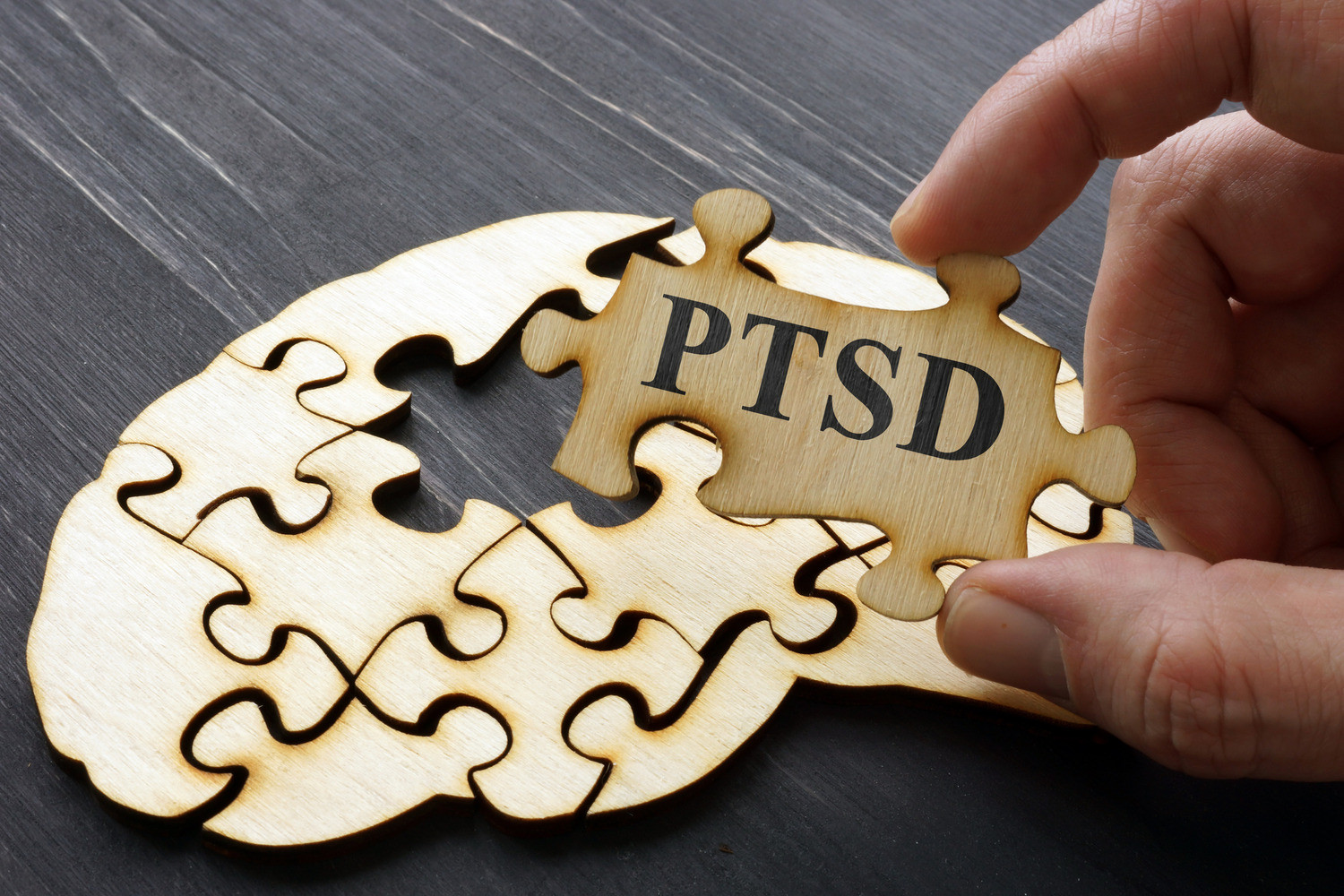
The document covers the appropriate use of MDMA assisted psychotherapy (MDMA-AP) for post-traumatic stress disorder (PTSD).
Australia became the first country to reschedule MDMA from a Prohibited Substance (Schedule 9) to a Controlled Substance (Schedule 8) for the treatment of PTSD in 2023, which allowed authorised psychiatrists to administer MDMA outside of clinical trials.
The guideline was developed by Monash University’s Centre for Medicine Use and Safety (CMUS) and Neuromedicines Discovery Centre (NDC) and has been approved by the National Health and Medical Research Council (NHMRC).
CMUS director and Guideline Chair Professor Simon Bell said the guideline was based on consideration of benefits and harms, certainty of the evidence, patient values and preferences, and acceptability and feasibility.
“MDMA-AP is not considered a routine treatment for PTSD. If MDMA-AP is used, the guideline recommends it should be limited to adults with PTSD symptoms for at least six months post-diagnosis, with moderate or severe PTSD symptoms in the past month,” he said.
“The use of MDMA-AP should also be limited to those who have received an adequate trial of first-line evidence-based treatments, and be at low risk of being re-exposed to the index trauma during treatment.”
RELATED: MDMA showing remarkable results for treatment resistant PTSD
Chair of RACGP Specific Interests Psychological Medicine Dr Karen Spielman said the document was comprehensive and highlighted the importance of collaborative care with the patients’ usual GP.
“It will be very important for GPs to understand the place of these specialised therapies in order to refer appropriately, as patients often come back to us for advice when ‘treatment as usual’ has not been effective for them,” she said.
“Sadly there are a lot of people who suffer from distress related to traumatic experiences, it will be important to ‘watch this space’ as we get more data on who is suitable and in what circumstances these treatments can be used.”
CMUS Project Manager Dr Alene Yong said given nearly half of people with PTSD do not improve with current treatments, the guideline addresses an important need.
“Although MDMA-AP is now available in selected private clinics, knowledge gaps remain regarding the translation of research evidence into clinical practice,” she said.
“The guideline strongly recommends against the use of MDMA-AP in patient groups who have been excluded from existing clinical trials for safety reasons.
“These patient groups include, but are not limited to, those who are pregnant or breastfeeding, with cardiovascular disease, psychotic disorder, suicide-related distress (currently experiencing suicidal thoughts and/or behaviour), and people who are currently using medications that may interact with MDMA.”
While the guideline is mainly intended for clinicians, including general practitioners, nurses, pharmacists, psychiatrists, psychologists and other allied health professionals involved in the management of PTSD, a Companion Guide is being developed for people living with PTSD, their families and carers.
With the treatment costing about $25,000 to $30,000, cost may be a prohibitive factor for many patients.
In November the government announced funding to cover the costs of veterans with PTSD to access psychedelic-assisted psychotherapy treatments.
Want more news, clinicals, features and guest columns delivered straight to you? Subscribe for free to WA’s only independent magazine for medical practitioners.
Want to submit an article? Email [email protected]