

Often, the sicker a patient, the more they pay out of pocket to see a doctor.
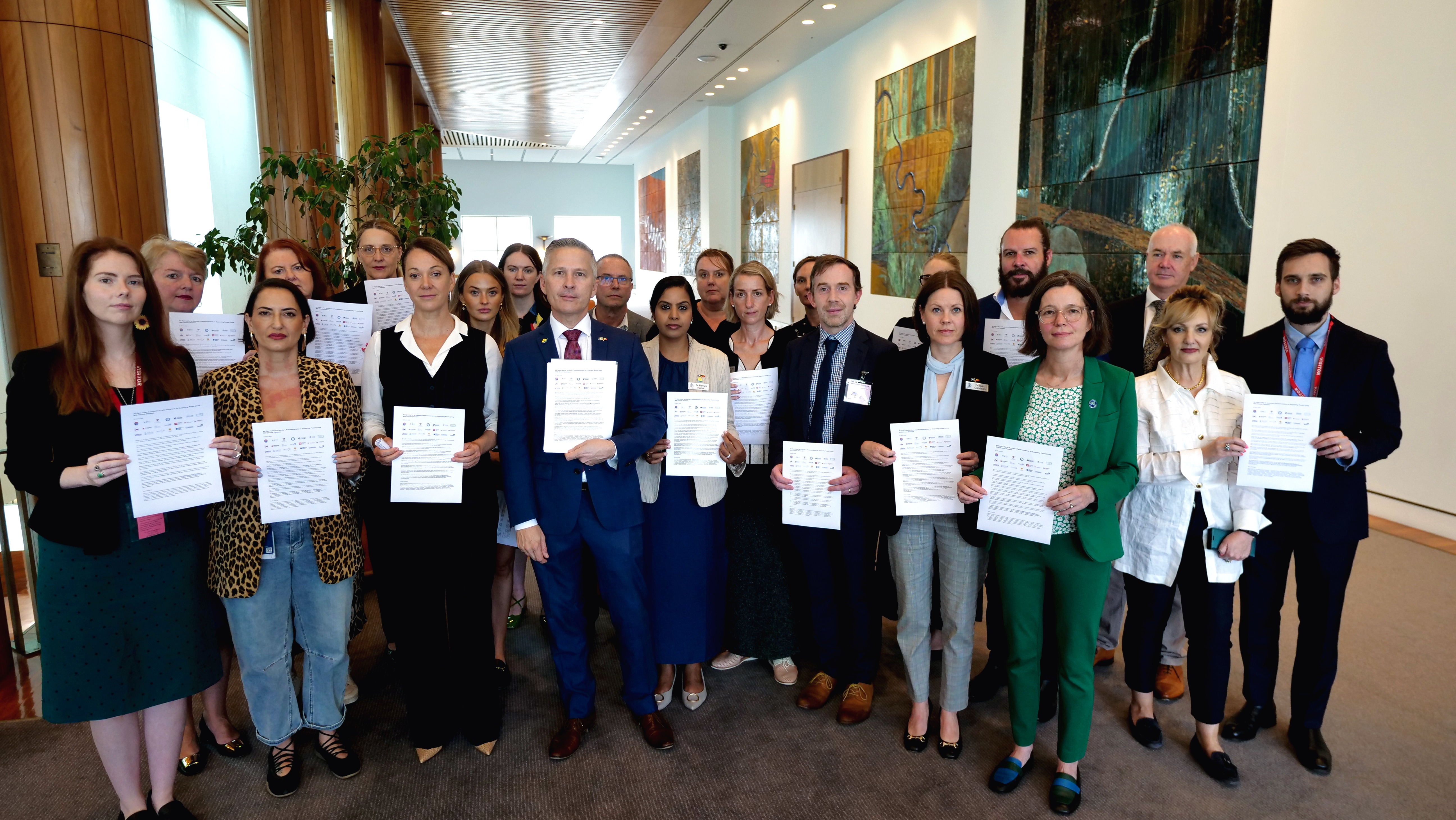
The RACGP and 20 peak patient bodies are calling for the federal government to change this by increasing funding for longer GP consultations.
The College, along with groups such as Palliative Care Australia, Parkinsons Australia, Sexual and Reproductive Health Australia and Dementia Australia, has written an open letter and delivered the message to Parliament House in Canberra on March 3.
“Currently, the per minute value of patient Medicare rebates decreases the more time a patient spends with their specialist GP. That means, for many people, the sicker you are, the more you pay out of pocket,” the letter reads.
RACGP President Dr Michael Wright said properly funding longer consultations is vital for patients with chronic disease, mental health concerns, and complex health needs.
He pointed to the positive flow on effects it would have including improving diagnosis times, making care more affordable, and reducing pressure on already stretched hospitals.
“The RACGP has long called for a 40% increase to Medicare rebates for Level C and Level D consultations, and with average GP appointment times getting to 20 minutes in 2025 this funding is well overdue,” he said.
“The health needs of our communities are becoming more complex, with many people experiencing one or more long-term health conditions, so the care GPs provide requires more time, space, and empathy.
“When people can’t afford longer GP appointments, complications and other health issues develop. People get sicker and need expensive hospital care.”
The joint open letter quoted analysis that showed increasing patient Medicare rebates for long GP appointments would deliver more than $338.9 million in annual healthcare system savings.
RELATED: RACGP unveils plans for more bulk billing and GP incentives
Dr Wright said as patient Medicare rebates dropped on a per-minute basis the longer a patient spent with their GP, accessing affordable, high quality care was made harder for some patients.
He said this funding “cannot wait”.
Camilla Rowland, chief executive of Palliative Care Australia, said people approaching the end of life often have complex needs that cannot be addressed in a standard short appointment.
“Long consultations are essential to provide thoughtful, coordinated care and to ensure no one feels rushed at such a critical time. Unfortunately, GPs are telling us this level of care is not properly supported under current Medicare funding.”
RELATED: Chronic disease management – a guide to new changes
Australian Patient Advocacy Alliance chief executive Deidre Mackechnie added that poorly managed chronic or complex disease had a significant impact on the health system, contributing to “the overloaded system we see now’.
“We also see the impact on the lives of people living with a chronic condition: reduced ability to care for family or to work, often not being able to work at all, or to participate in social activities. And inadequate management of a chronic condition can result in disease progression to the point of disability, including the need to access the NDIS.
“Longer consultations with the GP will contribute to better management and consequently better outcomes so that people living with a chronic condition are living their best life and we enjoy a healthcare system that works for all,” she said.
The full list of signatories to the letter includes MS Australia, the Stroke Foundation, Kidney Health Australia, Diabetes Australia, MND Australia, Rare Voices, the Australian Patient Advocacy Alliance, ANZ Forum for Autoinflammatory Diseases, ausEE Inc, Australian Sickle Cell Advocacy, Emerge Australia, Hidradenitis Suppurativa Australia, Metastatic Breast Cancer Action Australia, Parenteral Nutrition Down Under, Scleroderma Australia, Sjogrens Australia, Palliative Care Australia, Parkinsons Australia, Sexual and Reproductive Health Australia and Dementia Australia.
Want more news, clinicals, features and guest columns delivered straight to you? Subscribe for free to WA’s only independent magazine for medical practitioners.
Want to submit an article? Email [email protected]