

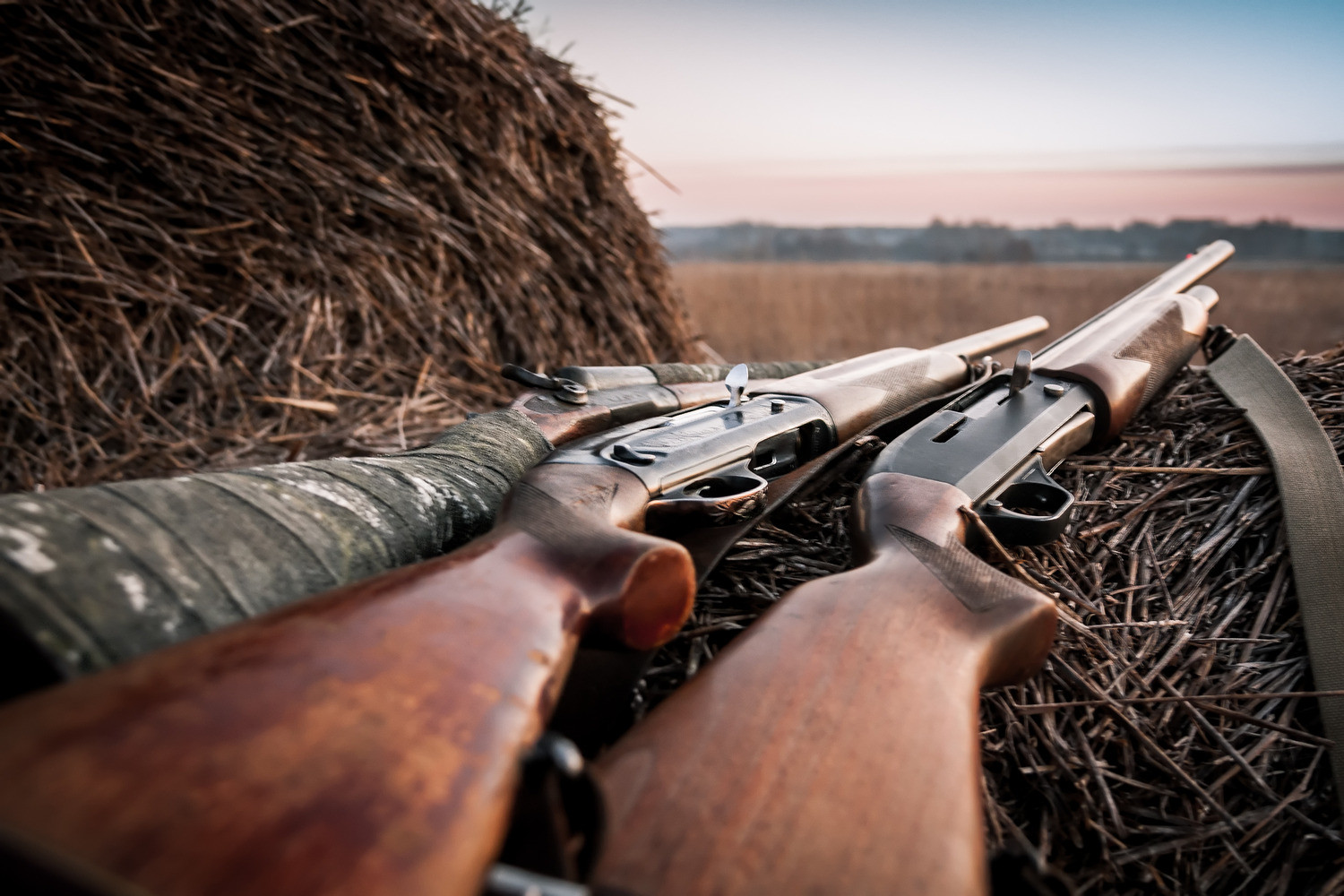
 One year ago Western Australia’s gun laws were reformed to bring in the requirement of a health assessment to carry a firearm.
As of March 31, 2025 people seeking a firearms license were required to undergo a health assessment with a GP, and existing firearms license holders were to be assessed every five years in an effort to protect public safety.
The assessment is made up of two parts, a self-assessment completed by the applicant and a medical assessment completed by the GP. At the time, concerns were raised about the additional workload for GPs and the potential to disrupt the doctor-patient relationship.
Since WA’s legislation was passed even greater attention has been directed at gun laws across the country.
The Bondi terror attack in December prompted the federal government to tighten gun ownership laws on a national level and urge state and territory governments to do the same.
With other jurisdictions looking closer at their gun laws, the Australian College of Rural and Remote Medicine (ACRRM) has developed a position paper on the role of Rural Generalists in assessing suitability for having a firearms permit.
The College’s director Dr Alice Fitzgerald told Medical Forum that as more states and territories were looking at bringing in health assessments for firearms permits, there was a need for ACRRM to have a national response to ensure consistency.
Dr Fitzgerald, who works in a rural clinic in Kununurra, said there had been less assessments taking place in her clinic than she had expected.
“It has been noted that there are 40,000 licensed firearms owners requiring a firearms health assessment across the state,” she said.
“Speaking from my own experience working in a rural clinic, the number of assessments carried out has been lower than might have been expected given my rural location.”

Dr Fitzgerald said between herself and local colleagues less than a handful of the health checks had been undertaken.
She said the assessments provided an important opportunity for a thorough clinical review — in some cases, one that may not have been undertaken for some time — and that the assessments also reinforced the role rural doctors play as an early point of contact for people who may need additional support.
However, she said patient understanding of the process varied.
“Some patients see it as part of responsible licensing, others find the process confusing or are uncertain about what the assessment involves, and if they need to be involved,” she said.
GPs are not obliged to carry out the assessments but Dr Fitzgerald was not aware of any data that captured how many rural GPs were providing these assessments compared to how many were opting out.
“This is one of the reasons ACRRM believes governments need to engage directly with rural doctors and communities before making changes that affect weapon licensing requirements.”
Dr Fitzgerald said rural and remote clinics were already under significant workforce pressure and adding additional assessments only increased workloads, particularly in areas where support services were limited.
“Some clinicians are also seeking clearer guidance, appropriate training, and reassurance around medico-legal responsibilities and personal safety.”
WA Police do not receive medical information, only whether the applicant meets or does not meet the firearm authority requirements. It has said the outcome of an assessment would not necessarily determine whether a firearms license was issued.
RELATED: What GPs need to know about firearms health assessments
While there had been concerns that some patients coming in for the assessments could be hostile because of having to take part in the process, Dr Fitzgerald said her clinic had not experienced any hostility.
“The assessments open the door to broader conversations about mental health, wellbeing and safety — and rural doctors are well placed to have those discussions because of the trust built over time,” she said.
She added that some clinicians had raised the need for clearer, more consistent processes across jurisdictions.
“Weapon licensing laws differ between states and territories, even though Australia has a National Firearms Agreement, that variation can create confusion for both patients and doctors.
“ACRRM’s position is that governments should consult with rural doctors before implementing changes to ensure processes are workable, consistent, and don’t place unintended extra pressure on already stretched rural health services.”
Dr Fitzgerald said while the College recognised that firearms were a practical reality in many rural and remote settings, safety should always come first and appropriate licensing laws were essential.
She noted that rural and remote communities experience higher rates of firearm-related harm, particularly in more isolated areas.
“That is why it is so important that governments engage with ACRRM and our members when considering any changes that may affect communities and the doctors who care for them.”
The College continues to monitor developments across jurisdictions to ensure its position statement reflects the voice of its members.
Want more news, clinicals, features and guest columns delivered straight to you? Subscribe for free to WA’s only independent magazine for medical practitioners.
Want to submit an article? Email [email protected]