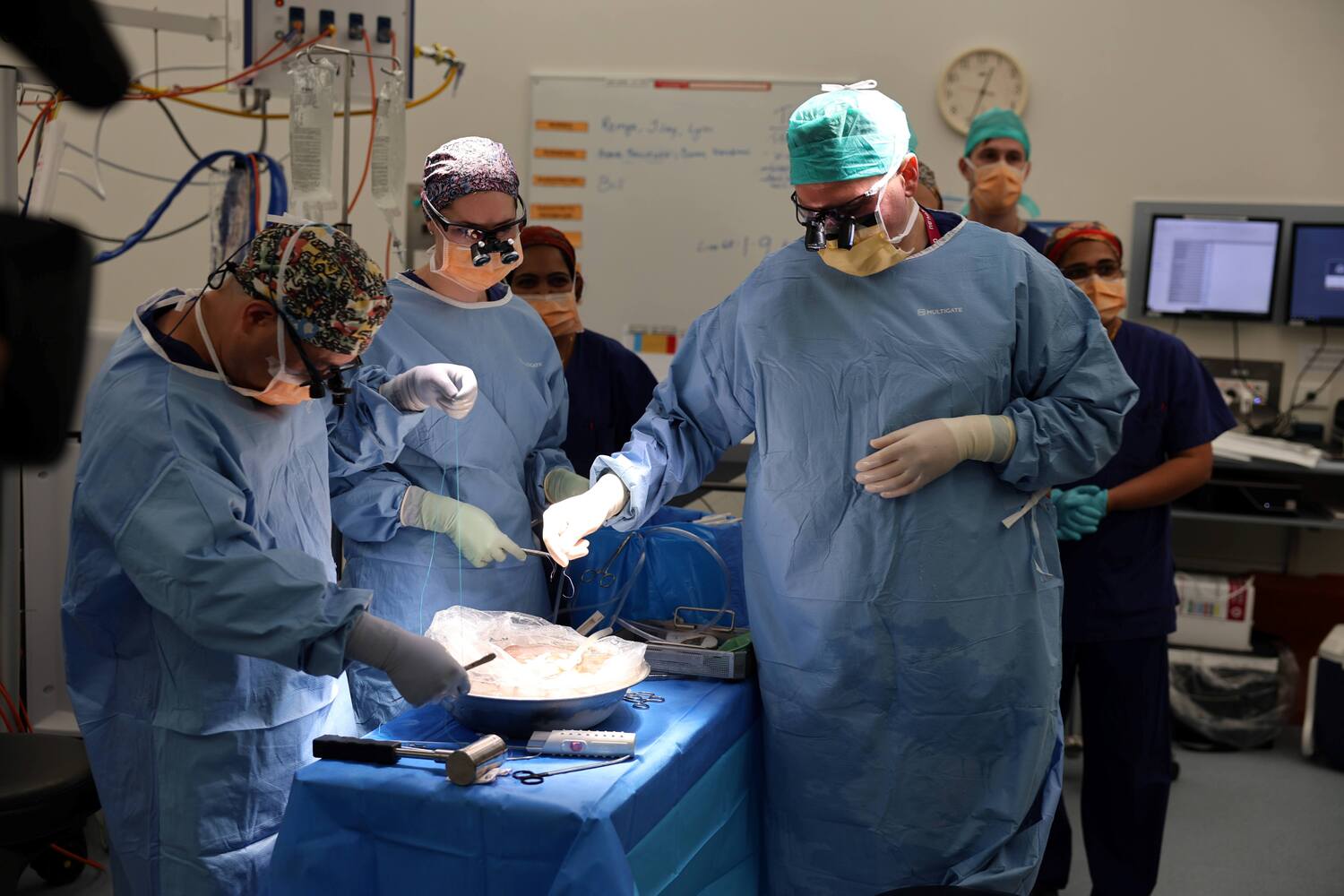
 An Australian-first liver transplant technology has seen a 70% increase in transplant numbers in one of Perth’s biggest hospitals.
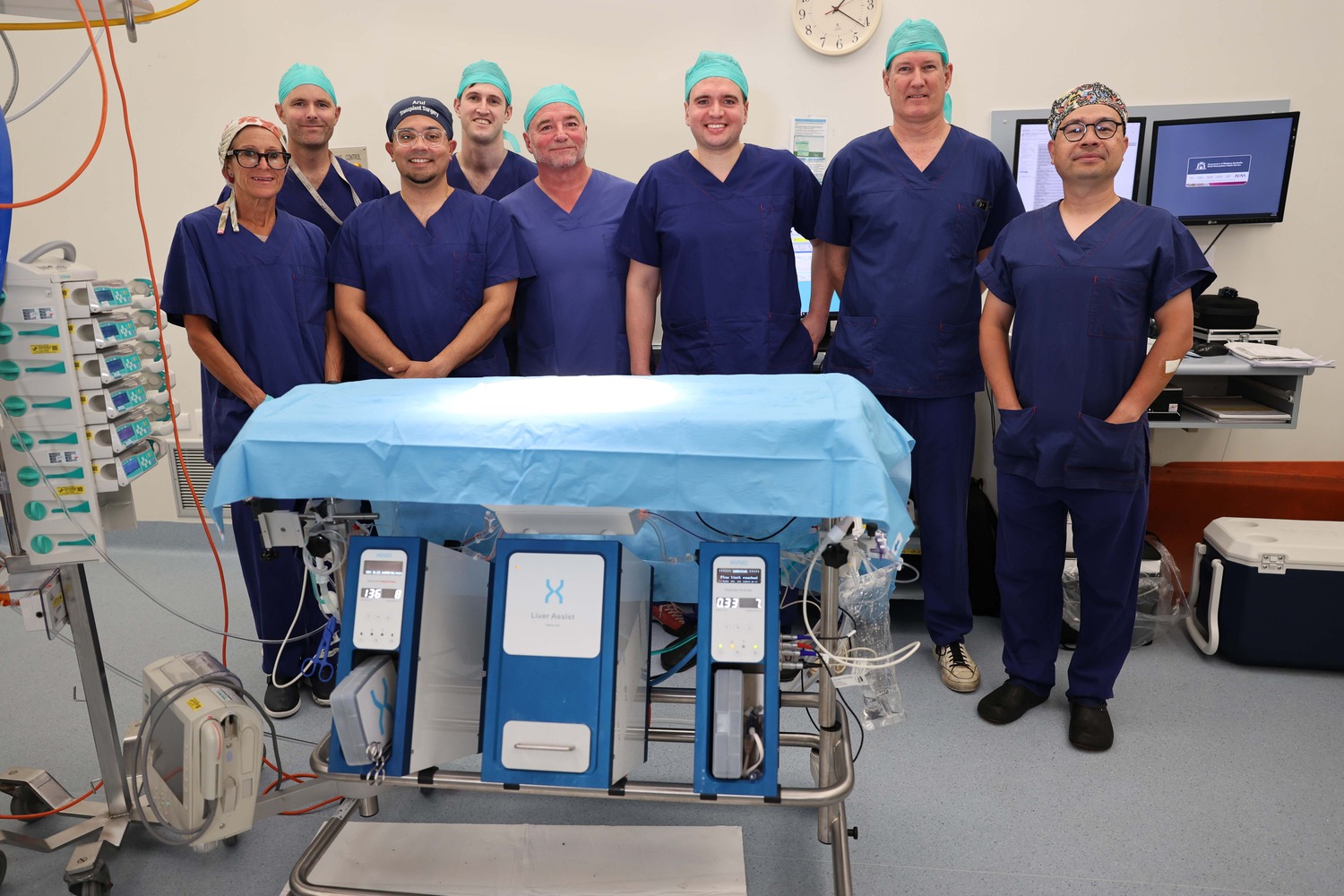
Sir Charles Gairdner Hospital is the first in the country to make the most of a machine that provides both warm and cold liver perfusion, which not only tests the liver’s viability but can recover certain injury or insult.
The hospitals hepatopancreaticobiliary and transplant surgeon Dr Arul Suthananthan described the process as leading edge.
He said prior to having use of the machine, surgeons were having to navigate within a “narrow margin” in terms of which donors would make for a viable liver transplant.
“There was no way to objectively test the liver before putting it into the recipient,” he said.
“That means we had to make the assumption that certain groups of patients were too high risk, for instance someone who is outside an age category or who has any relevant clinical history.
“Anyone with those sorts of risk factors we would just say ‘Well we can’t use these livers because there’s no way of to test them” and you can’t take the risk of transplanting these livers into these patients, lest they fail.”
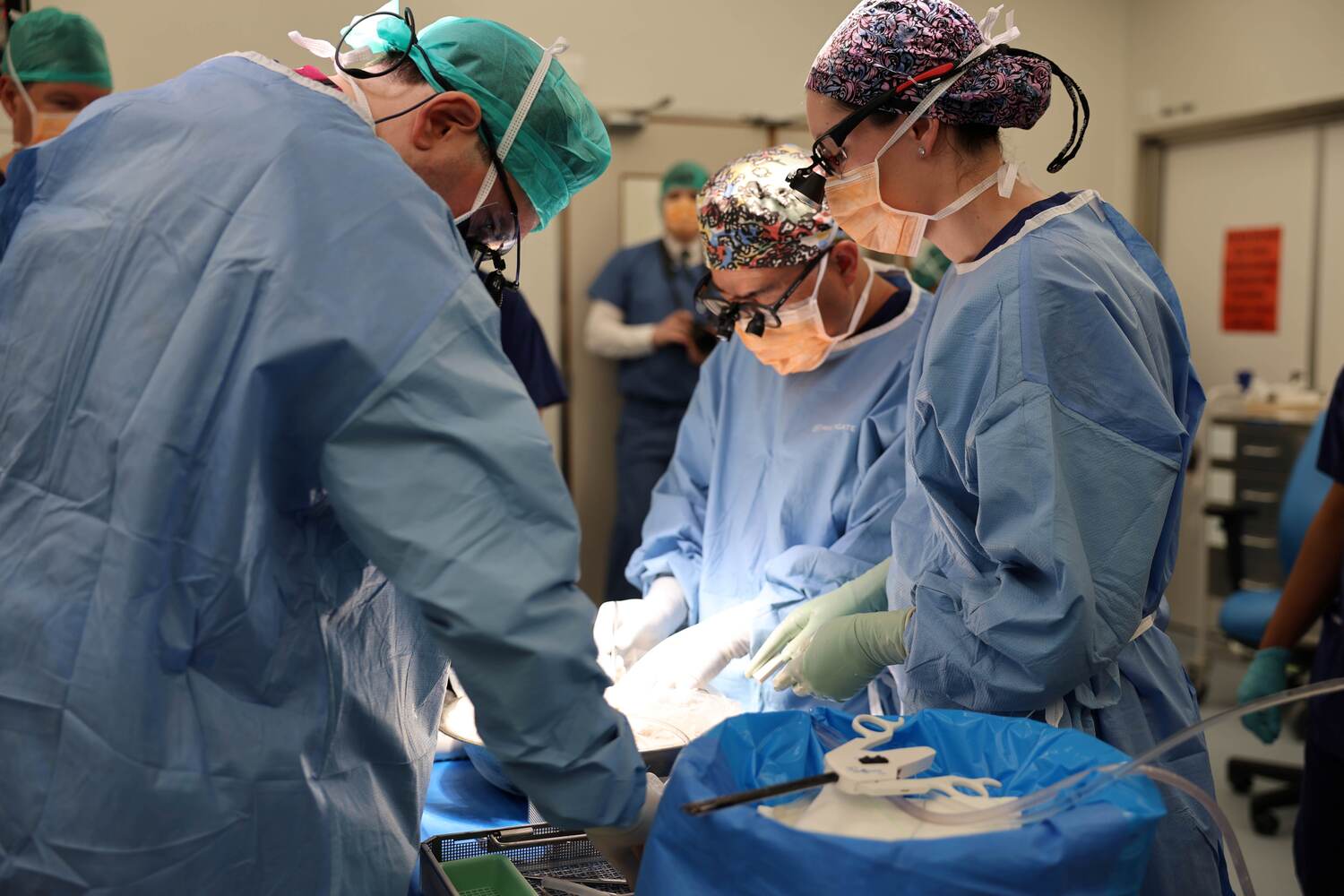 Dr Suthananthan described the two main functions of the machine which has been in use at the hospital since June 2025.
Cold perfusion
The first is cold perfusion which can rejuvenate and recover cells in the liver through recovering and reproducing mitochondria within the cells.
“We run a specialised fluid that is cooled and highly oxygenated through the liver and the cold fluid drops the metabolism of the cells but the high concentration of oxygen, despite the low metabolism, allows a degree of oxygenation and mitochondria reproduction or rejuvenation,” he said.
Dr Suthananthan explained that any time the liver spends outside of a body causes damage to the cells and reduces its function.
“The longer it stays outside, the more cells get damaged, the less functionality that liver has,” he said.
“Injury that has occurred during the process from the time that the donor has lost blood supply and oxygen supply to the liver, and the storage and transport process, all that injury is recovered and the liver is resuscitated.”
He said while traditionally bile duct narrowing had been the “Achilles heel” of livers recovered from cardiac death donors, cold perfusion had been shown to mitigate this.
Warm perfusion
The second function of the machine is testing the liver so surgeons know if it will work once placed in the recipient.
RELATED: WA clinical trial a novel blood test to detect liver cancer
“Warm perfusion is essentially perfusing oxygenated, warmed blood, so blood at our normal body temperature,” he said.
“This then does a second sequence of rejuvenation of the liver, but also allows us to test the liver function and blood gases, which include lactate clearance and PH. If they meet the required criteria for what we determine as a viable liver, we can say that this liver can be transplanted.”
Increased liver transplants
In an average year, Dr Suthananthan said Sir Charles Gairdner Hospital would do about 21-22 liver transplants, but in 2025 when the machine came into use that number jumped to 34.
“The majority of that volume came in the second half, after we introduced the machine,” he said.
Dr Suthananthan said the adoption of the technology at the hospital was the biggest leap in medical technology in his field that he had experienced.
“The wait list mortality, or the chance of getting a liver in time before very advanced liver disease makes a patient too sick to receive a transplant, is one of the biggest concerns that any transplant centre has and it’s always a race to be able to transplant patients in time to ensure that they survive through the waitlist period.
“Our waitlist mortality has significantly improved with machine profusion and that delivers a huge relief to the patients.
“The long and the short of it is that patients have better chance for management of their liver disease, whether it is chronic liver disease or whether it is liver cancer.”
Wider application
Dr Suthananthan and his colleague, transplant surgeon Dr Adam Philipoff, were working towards adopting similar technology and adapting it for kidney transplants.
“This would increase the number of kidney transplants carried out and also increase the success of transplants, and the biggest benefit to patients is that it would allow more patients to come off dialysis, which has a significant impact on their quality of life and to live essentially a normal life,” Dr Suthananthan said.
He said while cold and warm perfusion technologies had existed in isolation in other parts of Australia, Sir Charles Gairdner Hospital was the first hospital in Australia that combines both technologies.
Dr Suthananthan acknowledged his head of department, Professor Luc Delrivière who he described as the “brainchild” behind getting the technology to the hospital and having surgeons trained to use it.
Want more news, clinicals, features and guest columns delivered straight to you? Subscribe for free to WA’s only independent magazine for medical practitioners.
Want to submit an article? Email [email protected]