

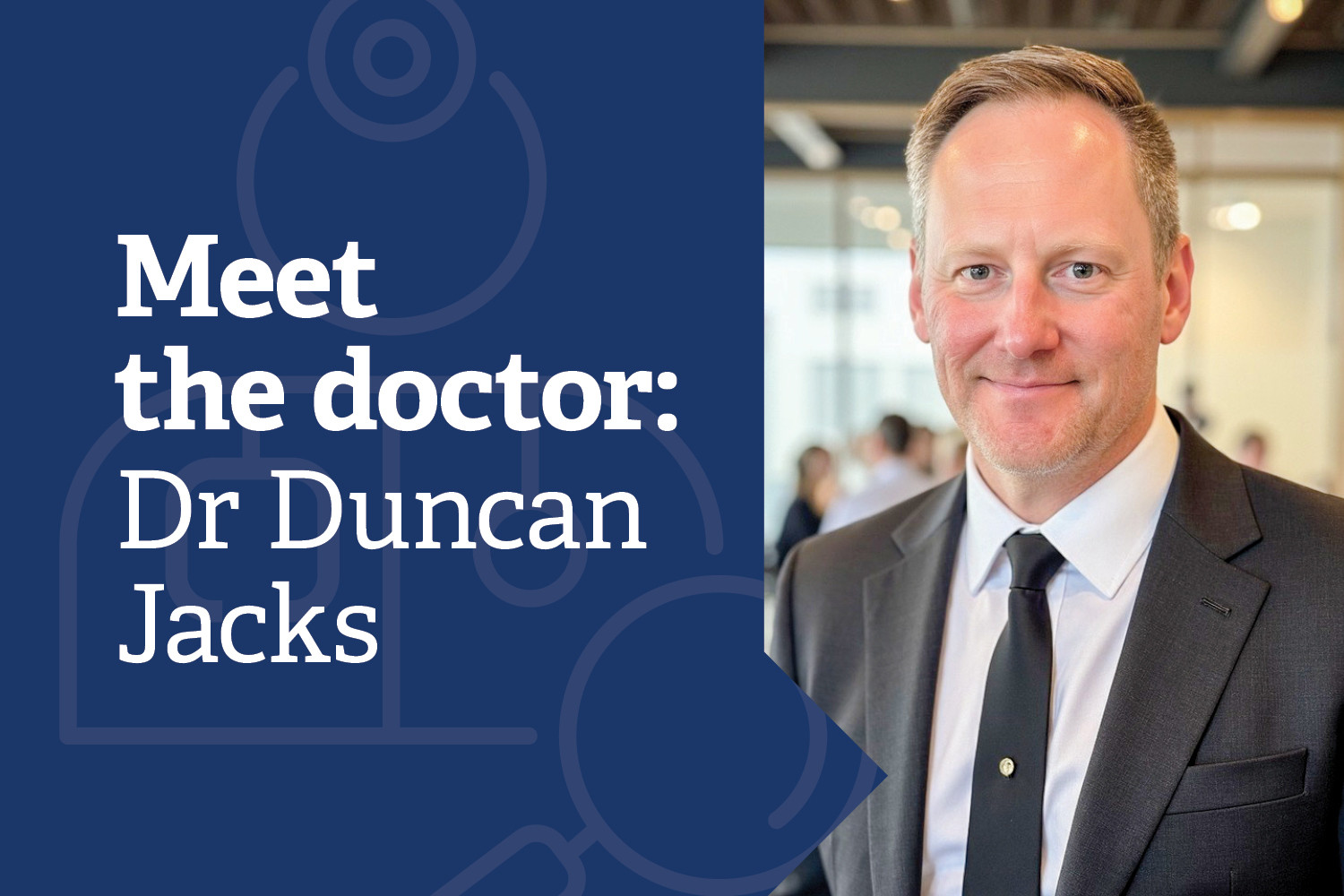
 In Medical Forum’s Meet the doctor series we introduce you to specialists working in WA, the services they provide and what they can offer your patients.
Where did you train and where do you practice now?
I completed my medical degree at McGill University in Canada, followed by specialist training in Orthopaedic Surgery at the University of British Columbia, graduating in 2009. I then undertook advanced fellowship training in Hip and Knee Reconstruction at the Nuffield Orthopaedic Centre, University of Oxford in the UK, followed by further fellowship training at the Perth Orthopaedic Sports Medicine Centre in 2011.
In 2013, I was selected for the prestigious John N. Insall Travelling Fellowship, involving visits to leading knee surgery centres across North America. I practised as an orthopaedic surgeon in Victoria, British Columbia for 15 years, with a focus on arthroplasty and trauma, while also holding an academic appointment as a Clinical Assistant Professor with the University of British Columbia.
I hold public appointments at Rockingham and Peel Hospitals and am fully accredited by the Royal Australasian College of Surgeons.
My private practice is based at St John of God Murdoch Hospital as part of Murdoch Orthopaedic Clinic.
What services do you offer?
My practice focuses on hip and knee replacement surgery, including primary, complex, and revision procedures, as well as knee arthroscopy.
I provide comprehensive care from initial consultation and surgical planning through to post-operative rehabilitation and long-term follow-up, with an emphasis on achieving safe and durable outcomes.
A central component of my practice is careful patient selection and pre-operative optimisation, ensuring patients are appropriately prepared for surgery by addressing medical comorbidities, functional status, and individual risk factors. This approach is particularly important in more complex cases, where thoughtful planning can significantly influence outcomes.
How has your experience influenced your practice?
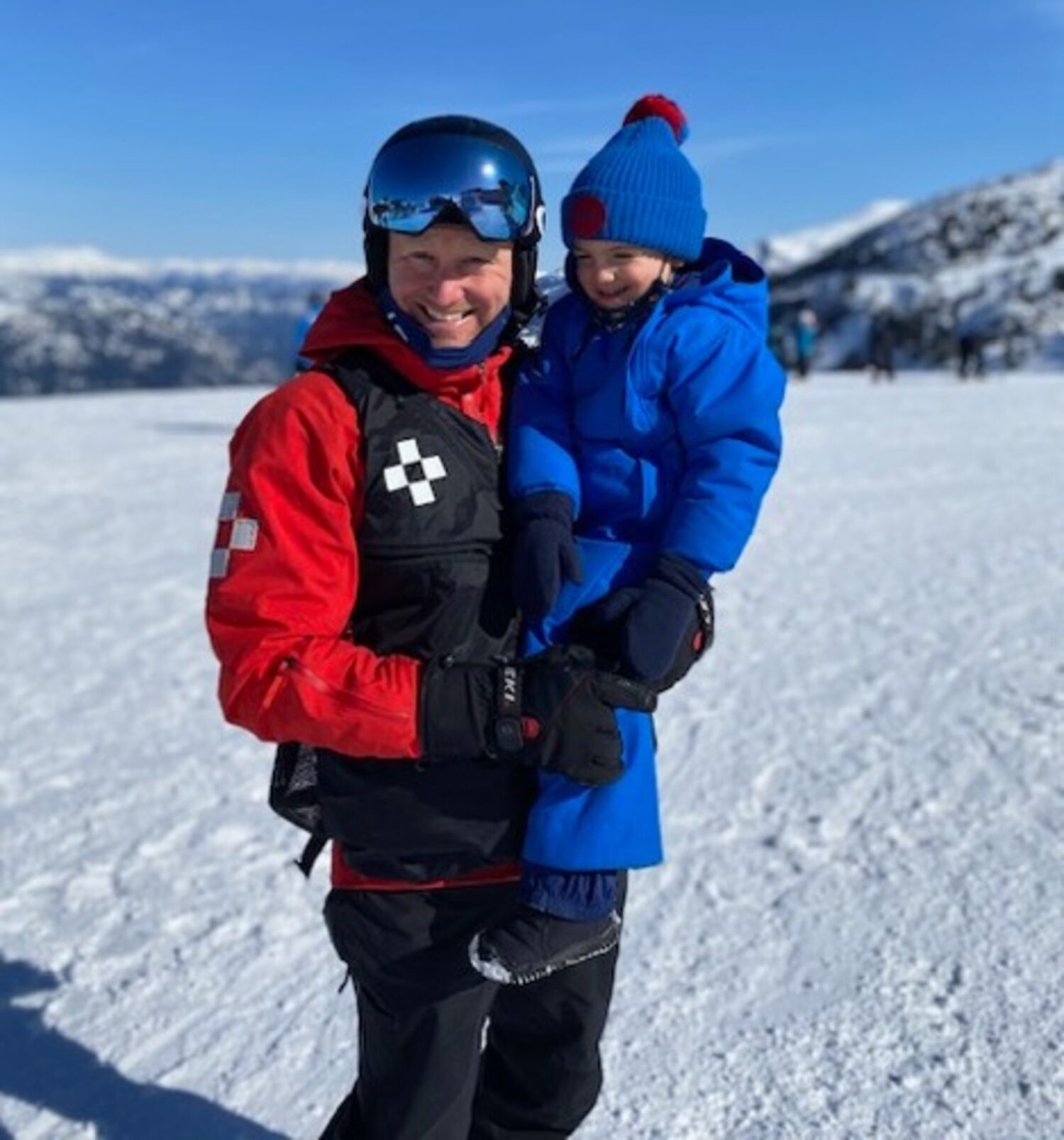
My work with the Canadian Alpine Ski Team, involvement in medical coverage for the Vancouver 2010 Winter Olympic Games, and time spent working with the Whistler Blackcomb Ski Patrol exposed me to a wide range of acute orthopaedic presentations and multidisciplinary team environments.
These roles required efficient assessment, clear communication, and an emphasis on patient safety in settings where conditions were often unpredictable.
This experience has reinforced the importance of preparation, planning, and teamwork in both orthopaedic trauma care and elective joint replacement surgery.
While the clinical context is different, the principles of anticipating risk, coordinating care, and making considered decisions translate directly across these settings.
What do you see as the future of hip and knee surgery?
I see the future of hip and knee surgery as increasingly focused on optimising the entire patient pathway, including patient selection, pre-operative optimisation, and enhanced recovery pathways, rather than the operation alone.
While advances in surgical technique and implant design continue, outcomes are increasingly influenced by coordinated peri-operative care and thoughtful planning.
Technology such as computer-assisted planning and robotic-assisted surgery will continue to play a role in improving accuracy and consistency when used appropriately.

Want more news, clinicals, features and guest columns delivered straight to you? Subscribe for free to WA’s only independent magazine for medical practitioners.
Want to submit an article? Email [email protected]