


Polycystic Ovary Syndrome (PCOS) has been renamed to Polyendocrine Metabolic Ovarian Syndrome (PMOS) to better reflect the impact of the condition.
Experts said that for too long the name of the complex, long-term hormonal or endocrine disorder had been reduced to a misunderstanding about ‘cysts’ and a focus on ovaries.
PMOS affects one in eight women, or more than 170 million women worldwide and is characterised by fluctuations in hormones, with impacts on weight, metabolic and mental health, skin, and the reproductive system.
This contributed to missed diagnoses and inadequate treatment.
Professor Helena Teede, an endocrinologist and Director of the Monash Centre for Health Research and Implementation, led the name change process after spending decades researching the condition and seeing the patient impacts first hand.
“What we now know is that there is actually no increase in abnormal cysts on the ovary, and the diverse features of the condition were often unappreciated,” Professor Teede said.
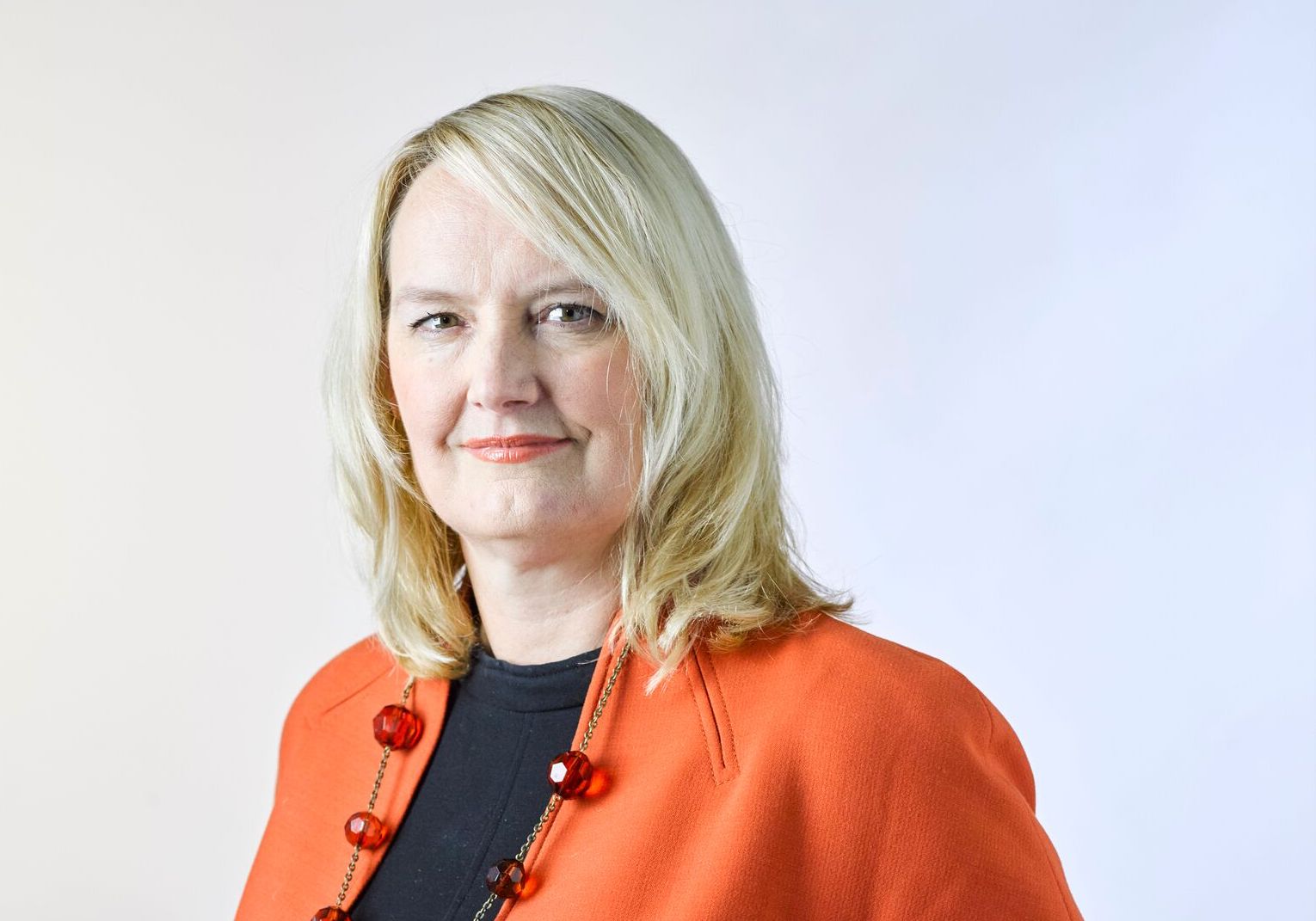 “It was heart breaking to see the delayed diagnosis, limited awareness and inadequate care afforded those affected by this neglected condition.”
RELATED: The future of endometriosis diagnosis and management
The name change, which was published in The Lancet, took 14 years of global collaboration between experts and those with lived experience.
Findings have shown that there is no increase in abnormal ovarian cysts in the condition, further demonstrating the need to change the name.
The patient-focused effort resulted in more than 22,000 survey responses and involved multiple international workshops with patients and multidisciplinary health professionals.
A three-year transition period for the new name will be supported by an international education and awareness campaign for health professionals, governments and researchers around the world – with the new name to be fully implemented in the 2028 International Guideline update.
Professor Teede said it was the largest initiative to change the name of a medical condition.
“The agreed principles of the new name included patient benefit, scientific accuracy, ease of communication, avoidance of stigma, cultural appropriateness and accompanying implementation,” she said.
“This change was driven with and for those affected by the condition and we are proud to have arrived at a new name that finally accurately reflects the complexity of the condition.
“Make no mistake, this is a landmark moment that will lead to desperately-needed worldwide advancements in clinical practice and research.”
Professor Terhi Piltonen, study lead author and professor in obstetrics and gynaecology at Finland’s University of Oulu, said an important part of the renaming process was considering the diverse needs of various cultures.
“It was essential that the new name was scientifically correct but also considered across diverse cultural contexts to avoid certain reproductive terms that could heighten stigma and be harmful for women in some countries,” Professor Piltonen said.
“This made a culturally and internationally informed consultation critical to getting it right.”
Want more news, clinicals, features and guest columns delivered straight to you? Subscribe for free to WA’s only independent magazine for medical practitioners.
Want to submit an article? Email [email protected]