

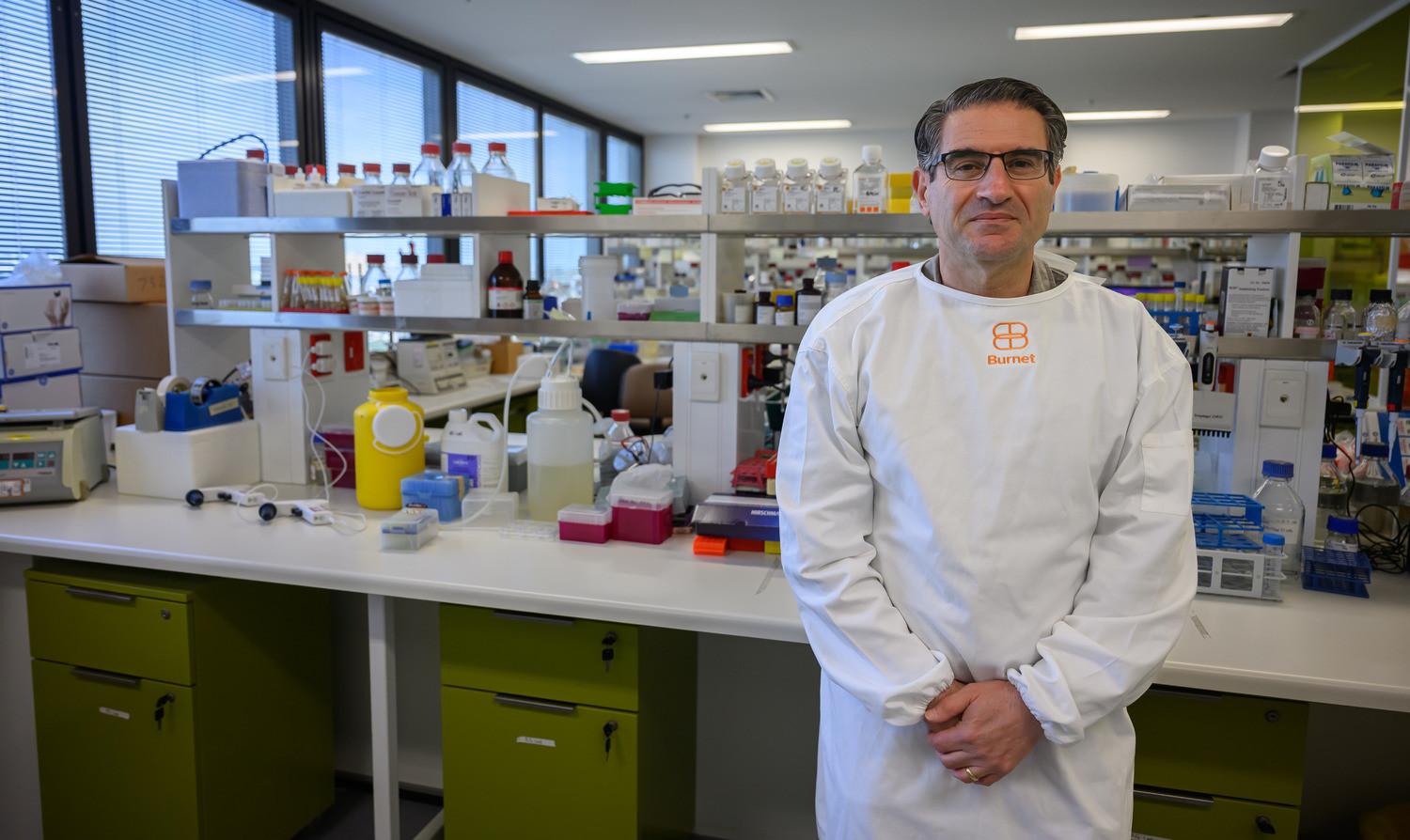
 With chronic inflammation – known as “inflammageing” – increasingly recognised as a driver of long-term disease, experts say more understanding around it is needed.
Dr Raffi Gugasyan from Burnet Institute’s said chronic, low-level inflammation may be contributing to faster ageing and the growing burden of chronic disease in Australia.
He said there was a need for a greater focus on the underlying processes that drive chronic disease, rather than only responding once illness had developed.
As the head of diagnostic markers and chronic immune disorders at the institute, he wants greater awareness that while inflammation is part of the body’s normal immune response, it can be accelerated in some people, including those who already have other ongoing health conditions.
This process is linked to the onset and progression of conditions including respiratory illnesses, cardiovascular disease and immune related conditions such as multiple sclerosis.
“As we age, inflammation accumulates,” Dr Gugasyan said.
“Although it is a slow process, unfortunately, in some individuals this process is accelerated, and it’s these individuals that live with what we call comorbidities, or individuals that live with diabetes complications, or heart disease,” he said.
Dr Gugasyan said this was especially relevant due to the growing prevalence of chronic disease.
Chronic conditions account for an estimated nine in 10 deaths nationwide and continue to drive the majority of hospital demand
Nearly half of Australian adults are living with at least one chronic condition and in those over 65, at least 80% manage at least one chronic condition and around half live with multiple such conditions.
RELATED: Chronic disease management a guide to new changes
Older Australians also account for more than 40% of hospitalisations nationally, with demand expected to increase as the population ages.
Dr Gugasyan said the figures highlighted the need to better understand the underlying processes that drive chronic disease.
He said lifestyle factors including nutrition, sleep and physical activity such as strength and conditioning exercises play an important role in supporting immune health and reducing inflammatory burden over time.
“Ultimately, the important things to consider are diet, exercise and sleep,” Dr Gugasyan said.
“These are the important parameters that maintain a healthy lifestyle.”
Burnet researchers are working to better understand how chronic inflammation develops, how it contributes to disease, and whether earlier warning signs can be identified before symptoms appear, including through biomarkers that may detect when inflammation is becoming harmful and beginning to drive disease.
“Creating awareness is paramount to ultimately support a quality of life,” Dr Gugasyan said.
“We’d like to understand that process better. We’d like to identify the key biomarkers to say enhanced inflammation is driving disease.”
Dr Gugasyan said the goal was not only to help people live longer, but to support better quality of life as they age.
Want more news, clinicals, features and guest columns delivered straight to you? Subscribe for free to WA’s only independent magazine for medical practitioners.
Want to submit an article? Email [email protected]