

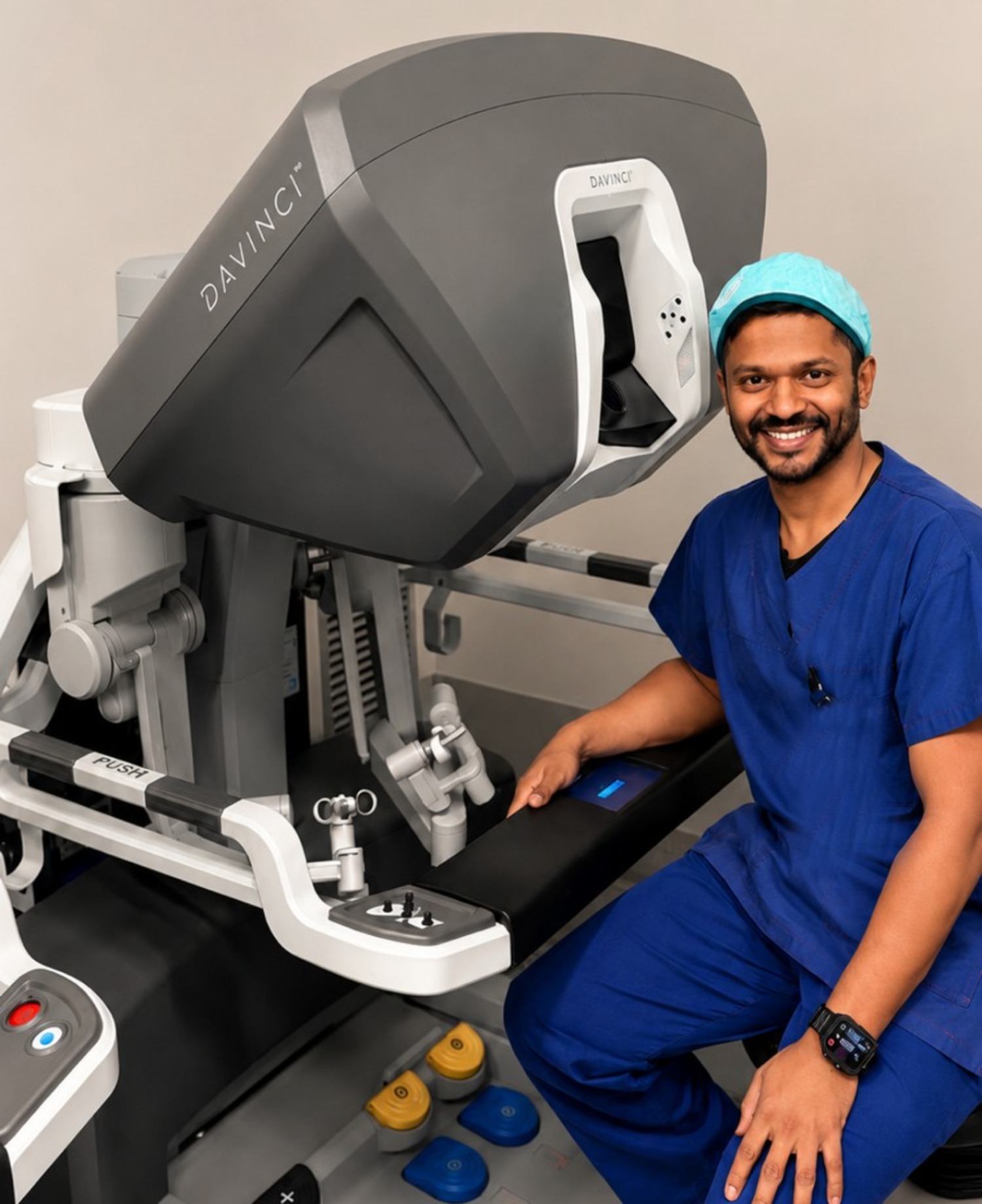
 Same-day discharge for bowel resection is now a reality at Royal Perth Hospital.
Earlier this month a patient at Royal Perth Hospital had a malignant bowel tumour removed and was sent home from hospital just a few hours later.
The same-day release program is believed to be an Australian first for colectomy patients.
The pilot program, which began in May, was established following the arrival of the hospital’s Da Vinci Xi robot.
RPH consultant colorectal surgeon Associate Professor Abraham Jacob used the surgical robot to remove a malignant bowel tumour from a woman in her 70s.
“To our knowledge, looking at the published data, there is no other hospital that has done a same-day discharge for a bowel resection,” A/Prof Jacob said.
RELATED: Perth hospital sees 70% increase in liver transplants using new technology
The woman had a number of high-risk factors but was monitored at home by the RPH Home Hospital Team.
“Blood tests were arranged at home, the nurses checked on her incision sites and dressings and one of our registrars checked in by phone every day until all the boxes were ticked and she was able to be discharged from care,” A/Prof Jacob said.
“She will then follow up in the clinic once the pathology results arrive.”
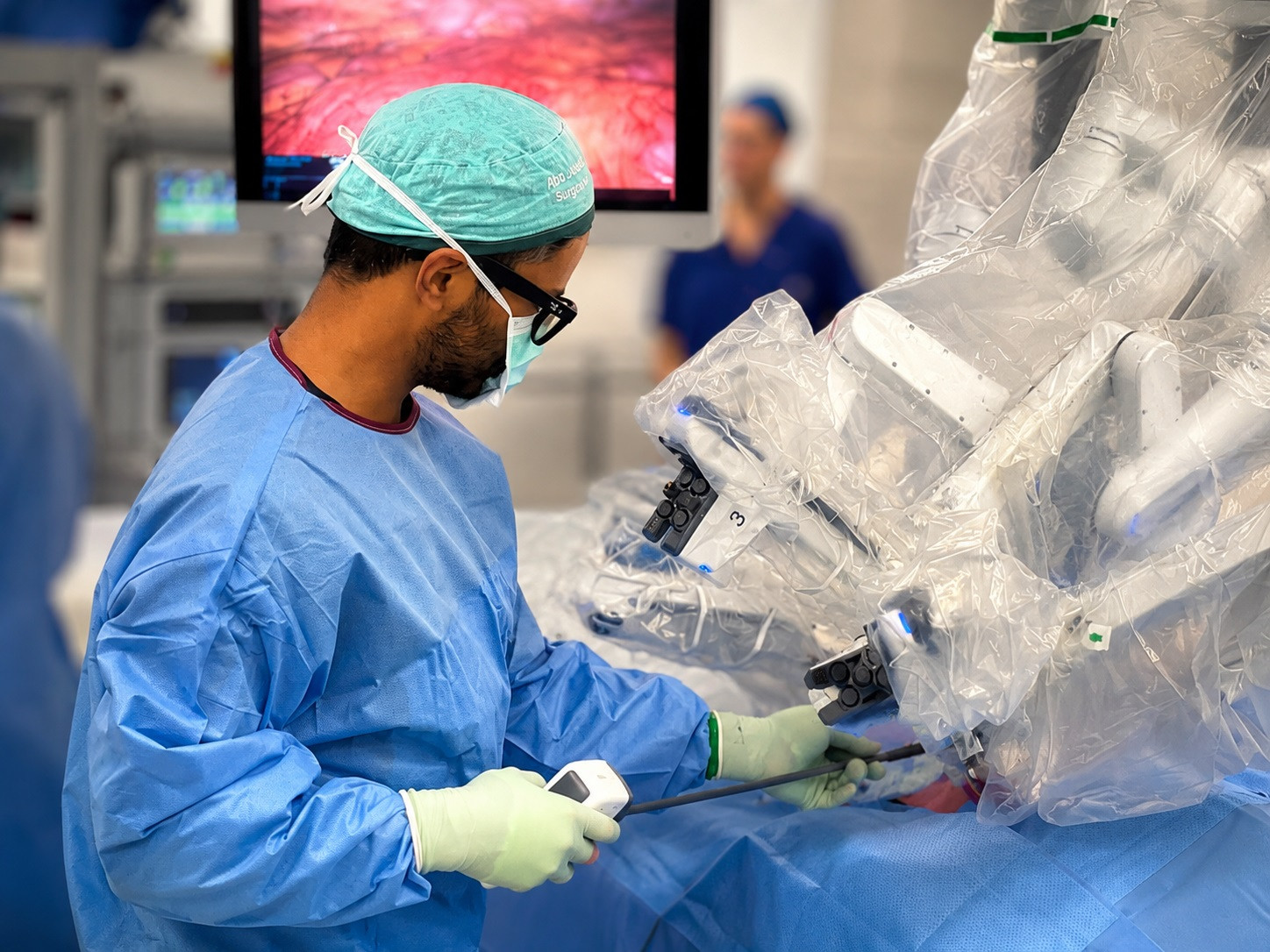
A/Prof Jacob said same-day release colectomy programs began in the United States during the pandemic in a bid to get people out of hospital faster, to free up beds and reduce the risk of COVID infection.
“The Americans seemed to lead this push for doing day-case colectomy and they seemed to be doing it successfully,” he said.
“The robotics systems seemed to help them achieve that, with minimally invasive surgery.
“So I was pretty keen to begin something similar here in Perth and with Royal Perth Hospital. We have the benefit of having so many resources for monitoring patients at home, so it seemed like a pretty good resource to utilise.”
Increasing obesity levels mean keyhole surgery is more challenging in larger patients and A/Prof Jacob says that’s where robotics can provide a good alternative.
“The challenge with laparoscopic surgery is that the instruments are all straight. For the surgeon who’s operating, you’re standing above the patient and you’ve got to lever the instruments to get into different spots –it’s much more challenging in larger patients,” he said.
“Also, with laparoscopic instruments the articulation is outside the patient.
“But the robot’s instruments have wrists that bend so when we’re working in a tight spot it has the advantage of bending at the wrist of the instrument which is inside the patient. That adds a lot of advantage to access difficult areas and you’re not anchoring instruments on the patient, so you cause less trauma on the abdominal wall.”
RELATED: New rehab robot helping drive neural recovery in children/
A/Prof Jacob said many patients did not get the opportunity to lose weight before surgery.
“With colorectal cancer, these are urgent cancers to be dealt with and we don’t really have the luxury of getting them to lose weight before having their surgery, so we accept that we can’t modify this risk,” he said.
“At Royal Perth we’ve been leading the way in terms of different minimally invasive techniques and the main goal is to be able to do bowel and anastomosis internally.”
Fellow RPH Consultant Colorectal Surgeon Dr Ruben Rajan performed the first operation, a right hemicolectomy, with the hospital’s robot in April.
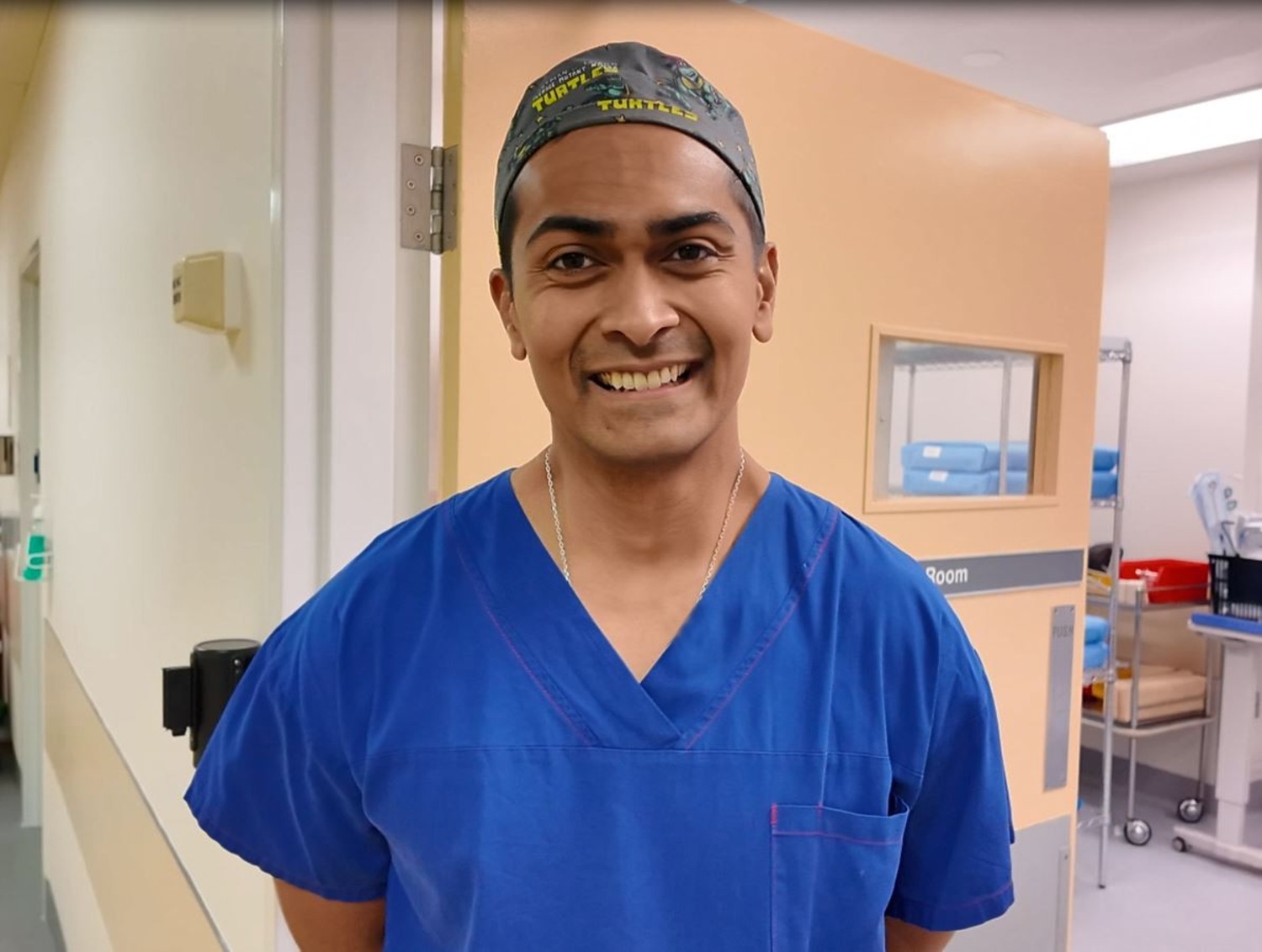
“The benefits of robotic surgery are that I have better vision – 4K, 3D – and I’m able to work around corners due to articulating instruments,” Dr Rajan said.
“There is reduced post-operative pain and earlier mobilisation so patients are up and out quicker.
“We can perform all of the joins between the bowel inside the abdomen, as opposed to open, and patients go home earlier.”
RPH consultant liver and pancreas surgeon Dr Marwan Idrees said RPH was undertaking a range of sub-specialty operations.
“Historically, the more common surgery that has been done is urology, such as prostatectomy and nephrectomies. The evidence is even rising now for surgeries such as liver and pancreas surgery,” Dr Idrees added.
“For the patients, there’s great evidence that we can do more complex operations in a minimally invasive manner, so this means having smaller cuts, earlier hospital discharge and earlier return to normal activities.”
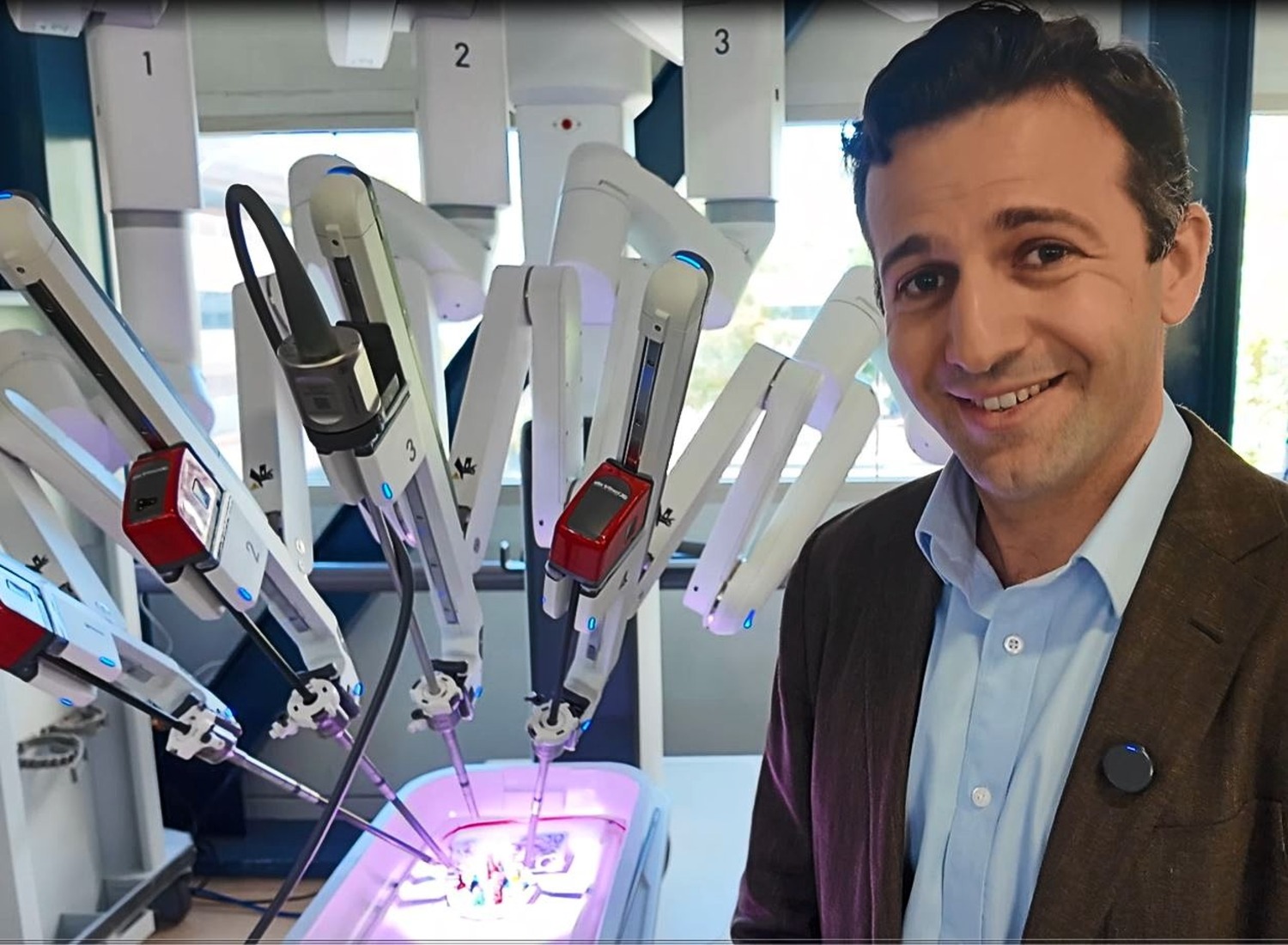
A/Prof Jacob said the robot also made it less likely to have to convert to an open procedure.
“We’re converting fewer patients to open, compared to laparoscopic,” he said.
“Because we’re doing off midline extraction for the bowel, or natural orifice extraction – which just means we can extract sometimes trans-vaginally or trans-rectal – it doesn’t leave any major incisions on the abdominal wall. That means less pain, quicker recovery and a lower risk of incisional hernia.
“A lot of places would extract the bowel and join the bowel outside the body and then put the bowel back into the patient, and that’s much easier for us to do robotically than keyhole.”
The RPH robot is currently being used across areas of general surgery, with teams being trained across multiple disciplines.
The machine is partly funded over 10 years by the RPH Research Foundation at a cost of $5 million, with the East Metropolitan Health Service (EMHS) covering the remaining costs.
Want more news, clinicals, features and guest columns delivered straight to you? Subscribe for free to WA’s only independent magazine for medical practitioners.
Want to submit an article? Email [email protected]