 Almost 100,000 Australians at high risk of lung cancer have accessed free screening in the first year of the National Lung Cancer Screening Program.
Lung Foundation Australia chief executive Mark Brooke said the landmark program was detecting cancer sooner and potentially saving lives, with more than 230 primary lung cancers detected.
“We are already seeing the impact of detecting lung cancer earlier, when treatment can be more effective and outcomes significantly improved,” he said.
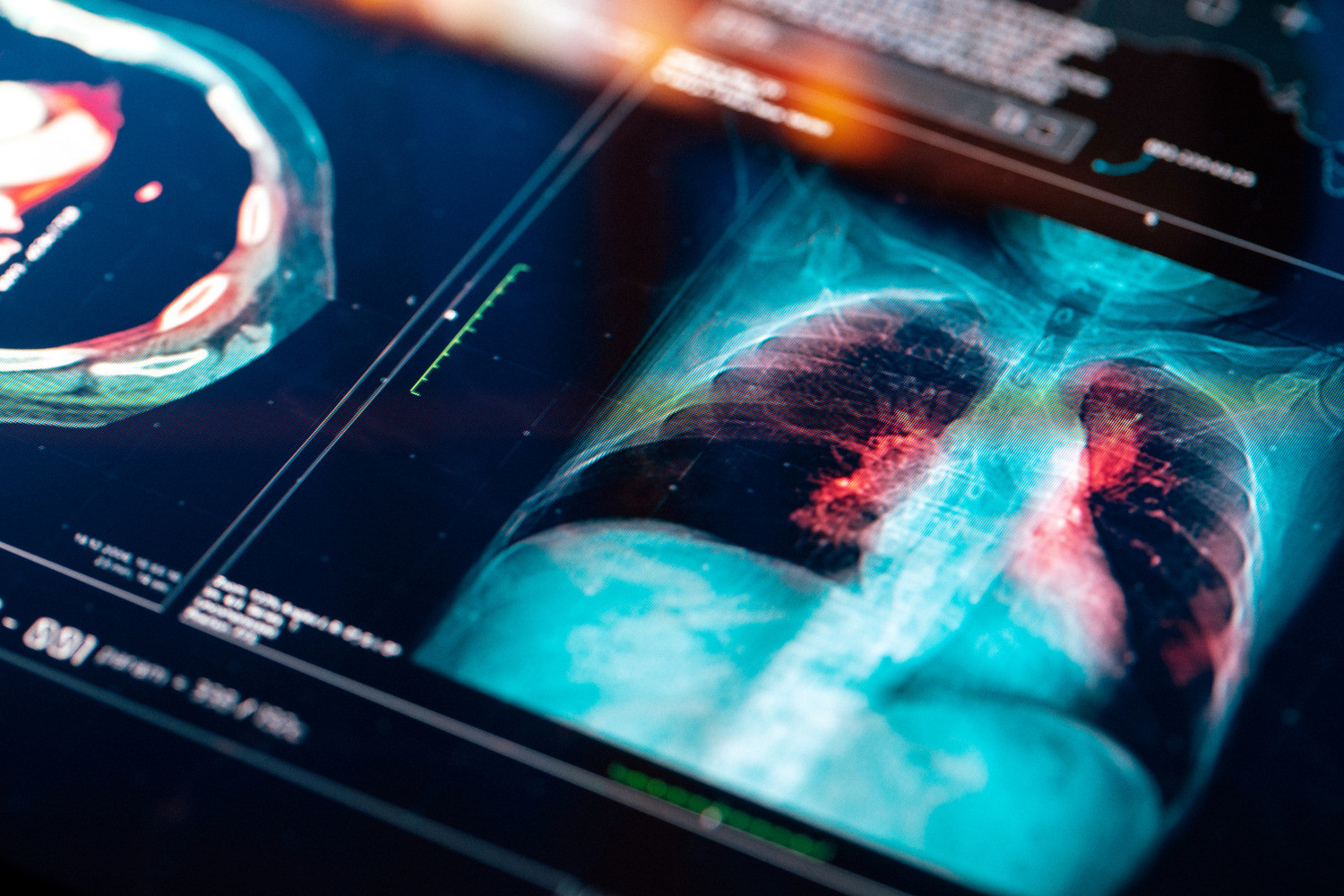
The program uses low-dose CT scans to screen Australians at high risk of lung cancer, including people aged 50 to 70 with a history of smoking.
After screening, participants are supported to take the next step based on their results, whether that means returning for routine screening, undertaking closer monitoring, or being referred for specialist care.
Mr Brooke said as lung cancer was often diagnosed after symptoms develop, treatment options and outcomes were often affected.
“By supporting earlier detection, this program is helping to identify lung cancer sooner and giving more Australians the opportunity for timely treatment and care,” he said.
RELATED: New best practice guide for lung testing
Lung cancer is Australia’s leading cause of cancer death, killing an estimated 9000 people each year. Screening can detect up to 70% of lung cancers and, when found early, more than 65% can be successfully treated.
Scans are now available in every state and territory, including in northern Western Australia and the Northern Territory, bringing services closer to people in rural and remote communities where fixed screening options are limited.
Through a partnership with Heart of Australia, 519 mobile scans have been completed, with additional services to be rolled out across the remaining states over the next 10 months.
The program was designed in partnership with the National Aboriginal Community Controlled Health Organisation to help ensure screening is accessible, culturally safe and responsive to the needs of First Nations participants.
First Nations participants have made up more than 5% of those screened.
RELATED: Lung Cancer Screening program a game-changer for diagnosis
National Aboriginal Community Controlled Health Organisation chief executive Dr Dawn Casey said strong uptake of lung cancer screening by Aboriginal and Torres Strait Islander people in the program’s first year was not a happy accident.
“It is what happens when screening is built to be culturally safe, delivered through Aboriginal Community Controlled Health Organisations, and backed by a growing Aboriginal and Torres Strait Islander cancer workforce,” she said.
“Lung cancer claims more Aboriginal and Torres Strait Islander lives than any other cancer, and too often it is found too late. Early detection changes that, and it means more of our people are home with family, on Country, for longer.
“The lesson for every national health program is simple: co-design with the community-controlled sector is not a courtesy. It is the reason this program is working for our people.”
Want more news, clinicals, features and guest columns delivered straight to you? Subscribe for free to WA’s only independent magazine for medical practitioners.
Want to submit an article? Email [email protected]