

 A new medicine that slows the progression of the early stage of type 1 diabetes (T1D) can now be prescribed in Australia.
The Therapeutic Goods Administration (TGA) has registered Tzield (teplizumab) which can delay the onset of stage 3 type 1 diabetes mellitus (T1D).
This means Australians living with the early, pre-symptomatic stage of T1D can now be treated with the first non-insulin medicine which works to slow the immune system attack that leads to the symptomatic stage of the condition that requires lifelong insulin.
Stage 2 is an early stage of the autoimmune condition where insulin-producing cells are under attack and blood glucose levels have started to be affected, but there are no obvious symptoms associated with type 1 diabetes.
It can occur months to years before a person starts to feel unwell and requires insulin therapy.
Once insulin is required, the condition has progressed to stage 3 or ‘clinical’ T1D.
Tzield works by targeting and temporarily modifying the immune cells (known as T cells) which attack insulin-producing cells in the pancreas.
RELATED: Blood test for kidney decline in type 2 diabetes
Professor John Wentworth, endocrinologist and senior clinical research Fellow, St Vincent’s Institute of Medical Research described the TGA listing as an exciting and important development.
“In recent years, there has been a giant leap forward in scientific understanding of type 1 diabetes, enabling meaningful progress for both its diagnosis and treatment,” he said.
“This represents an entirely new approach to the treatment of this condition as it is now possible to detect and treat type 1 diabetes before symptoms present.”
An estimated 25,000 Australians are unknowingly living with the early pre-symptomatic stages of T1D.
Within five years, approximately 75% of people with stage 2 T1D may progress to the clinical stage of the condition, where symptoms and potentially life-threatening complications can occur suddenly and without warning.
Usually at this stage, insulin therapy becomes essential.
Patients older than eight years with a confirmed diagnosis of stage 2 T1D diabetes can be treated with Tzield.
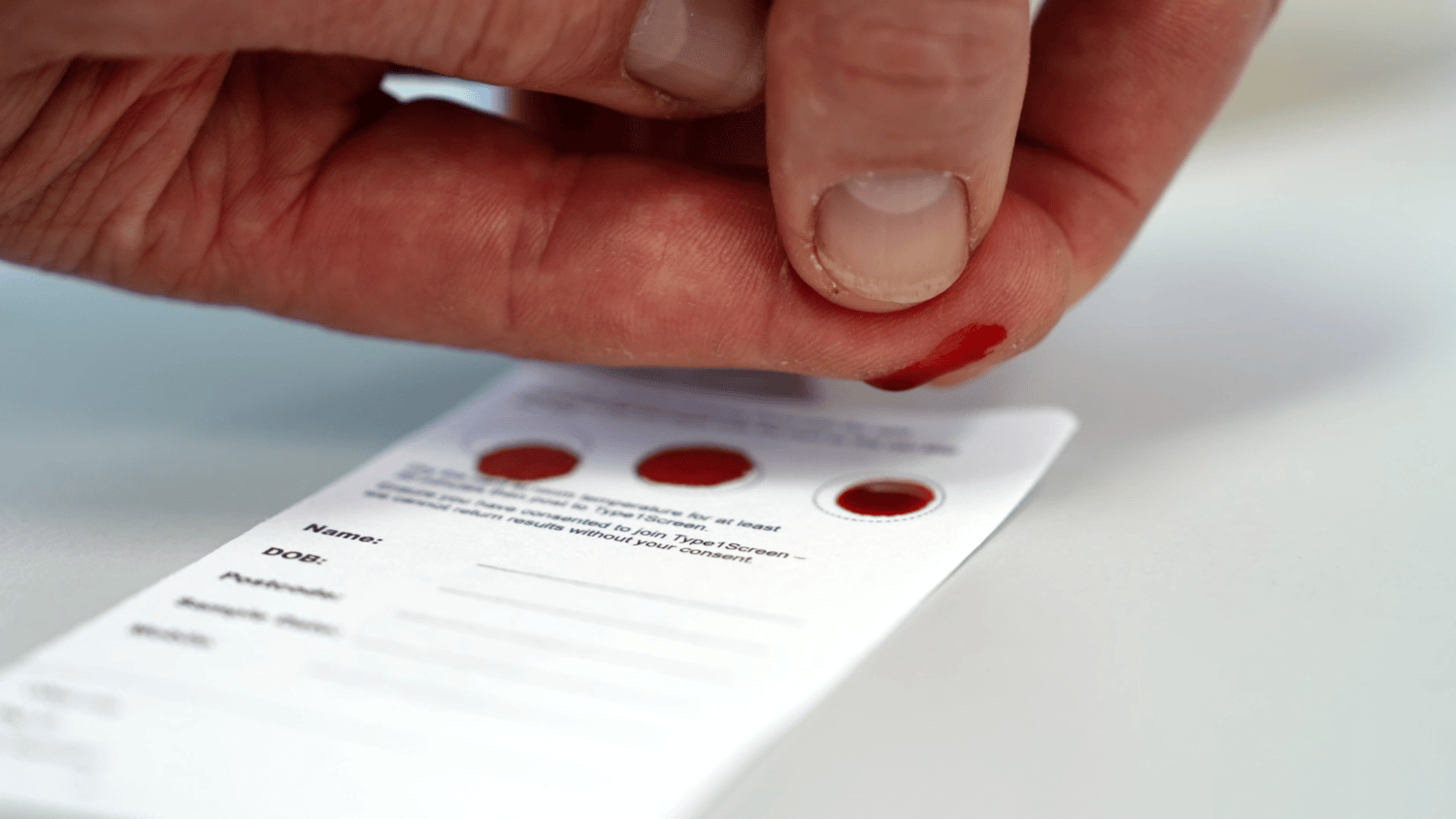
The diagnosis process involves a blood test to identify markers that indicate autoimmune activity directed at insulin-producing cells and a blood test for blood glucose levels.
The head of an organisation that supports research for T1D said the approval represented a transformational moment for Australians affected by the condition.
Sydney Yovic, Breakthrough T1D Australia’s chief executive officer said for generations, T1D had only been treated once symptoms appeared and insulin therapy became essential.
“Tzield changes that. For the first time, we can intervene earlier in the disease process and delay the onset of stage 3 T1D,” she said.
“Delaying progression means more time without insulin therapy, glucose monitoring, fear of severe hypoglycaemia and the constant decision-making that comes with T1D.
RELATED: Need an endocrinologists input? this diabetes initiative is connecting more GPs
It can also reduce the risk of short- and long-term complications that come with T1D.
Ms Yovic said this approval also highlighted why screening for early-stage T1D was so important.
“Tzield can only be beneficial if people are detected in the early stages, before symptoms develop, creating a critical opportunity to intervene earlier and improve long-term health outcomes,” she said.
Screening and early detection allow for not only early intervention, but can also provide people with the time, tools and support they need to prepare for lifelong blood glucose management and insulin therapy.
Medical experts and advocates are calling on the Federal Government to introduce population-level screening to identify people with early-stage, pre-symptomatic T1D.
While Tzield is not currently listed on the Pharmaceutical Benefits Scheme (PBS), a funding submission will be considered by the Pharmaceutical Benefits Advisory Committee in July. For more information, patients can talk to their healthcare professional.
Want more news, clinicals, features and guest columns delivered straight to you? Subscribe for free to WA’s only independent magazine for medical practitioners.
Want to submit an article? Email [email protected]