

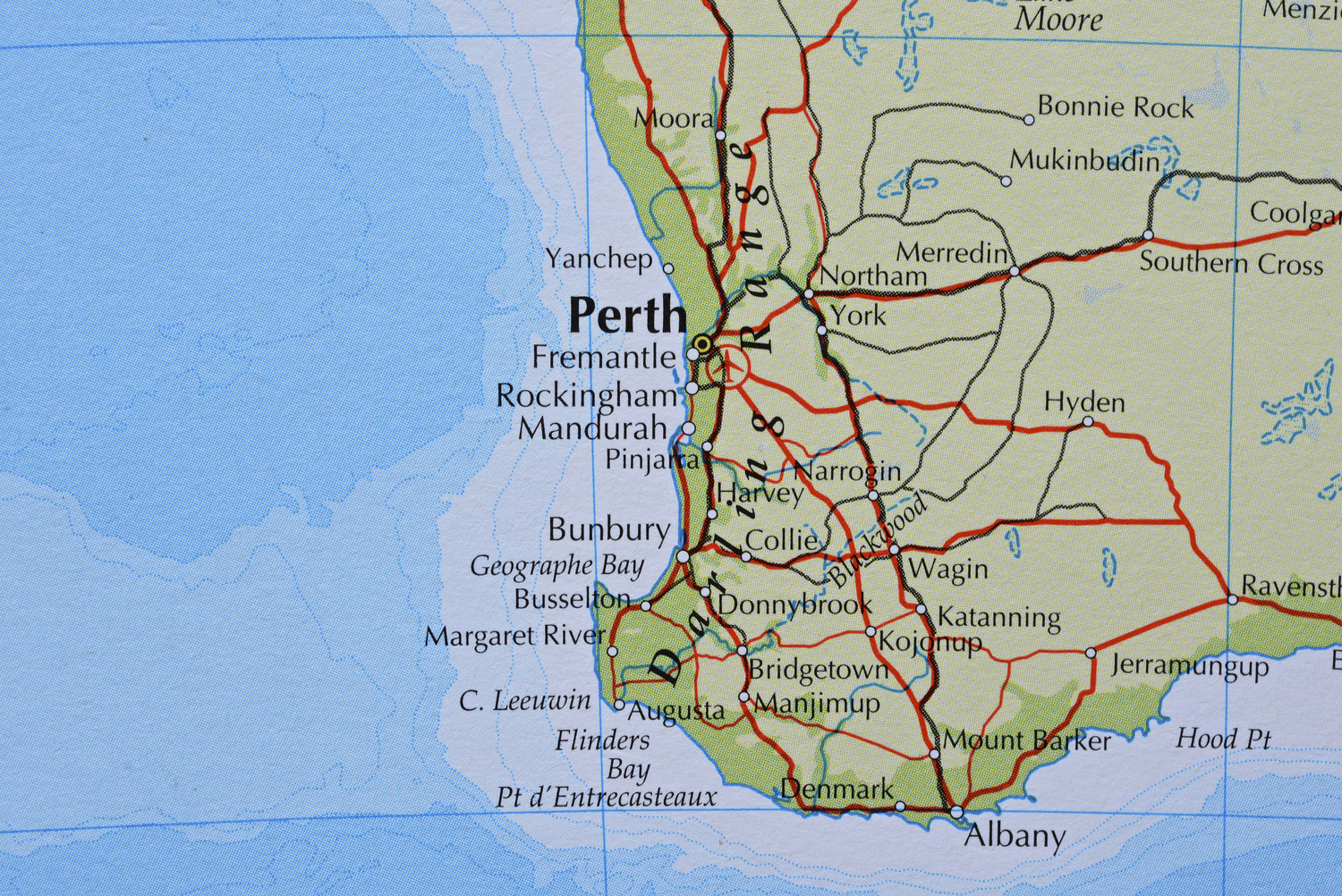
 Western Australia is home to the majority of the highest ADHD-prescription dispensing neighbourhoods in the country, new data reveals.
Around 65% of the suburbs with the highest rates of ADHD prescriptions where found to be in WA.
University of New South Wales data collated for the ABC’s Four Corners program show the areas where the most adults are medicated for the neurodevelopmental condition.
While it found more advantaged areas were likely to have more adults taking ADHD medications, it also showed that socio-economic advantage was not the only driver of higher ADHD prescriptions.
The ABC reported that while the expected prevalence of ADHD nationally was between 2.5% and 3%, more than 4% of adults in economically advantaged areas such as Fremantle and the Cottesloe-Claremont areas were accessing ADHD medications via prescriptions.
Places such as Bunbury and Mandurah were also among areas where more than 3% of adults were accessing ADHD medications.
Data showed that 13 of the 20 highest ADHD-prescription-dispensing neighbourhoods in the country were in WA.
GP and chair of the RACGP WA ADHD working group Dr Sean Stevens told Medical Forum that WA was an “outlier” compared to other states.
“I think part of that is in relation to WA being at forefront of the promotion and diagnosis of ADHD in both kids and adults in the 90s and 2000s,” he said.
“We’re seeing the effects of that being borne out now in the statistics, the rates of ADHD diagnosis are increasing. and WA is just a bit ahead of that curve.”
Dr Stevens said living in an economically advantaged area had historically played some role in diagnoses.
RELATED: WA leading the way in reforming ADHD care
“Most states, WA included, do not have a public adult ADHD service. Prior to the current round of upskilling of GPs, people have had to go to a psychiatrist [to be diagnosed] if they’ve graduated from paediatric services and availability and cost has been an issue for a lot of patients,” he said.
While he told Medical Forum he thought WA was a few years ahead of the curve when compared to other states and territories, he could not say for sure if the rates of ADHD in other states would rise to meet those in WA.
“You would assume that it would have to even out eventually, but no one knows where and when, and no one’s really sure what’s driving the rise in prescription and diagnosis rates.”
Dr Stevens said there has been a change in perception of neurodivergence amongst the general population and that a diagnosis could dramatically improve the lives of those with ADHD.
He said it was difficult to say whether the higher rates of ADHD in certain neighbourhoods were due to over medication or over diagnosis, or whether there were people in other states who would benefit from medication or a diagnosis who had not yet benefited from this.
“Often patients will have the expectation that they’re going to have a similar response, and they may if they do have ADHD, but if they don’t starting stimulants is not going to be the answer,” he said.
“If you look at the data, the rates in some suburbs are above what they would predict on a population basis, so make of that what you will. Is the rate higher in those areas at a population level? It would be unlikely, but you would need more evidence before you can reach a definitive answer.”
RELATED: How the WA GP ADHD training program will work
A cohort of 65 WA GPs are currently training to be able to diagnose and prescribe for ADHD.
Dr Stevens said regional GPs and those in lower social economic areas had been prioritised for the upskilling program in order to address access issues.
Want more news, clinicals, features and guest columns delivered straight to you? Subscribe for free to WA’s only independent magazine for medical practitioners.
Want to submit an article? Email [email protected]