

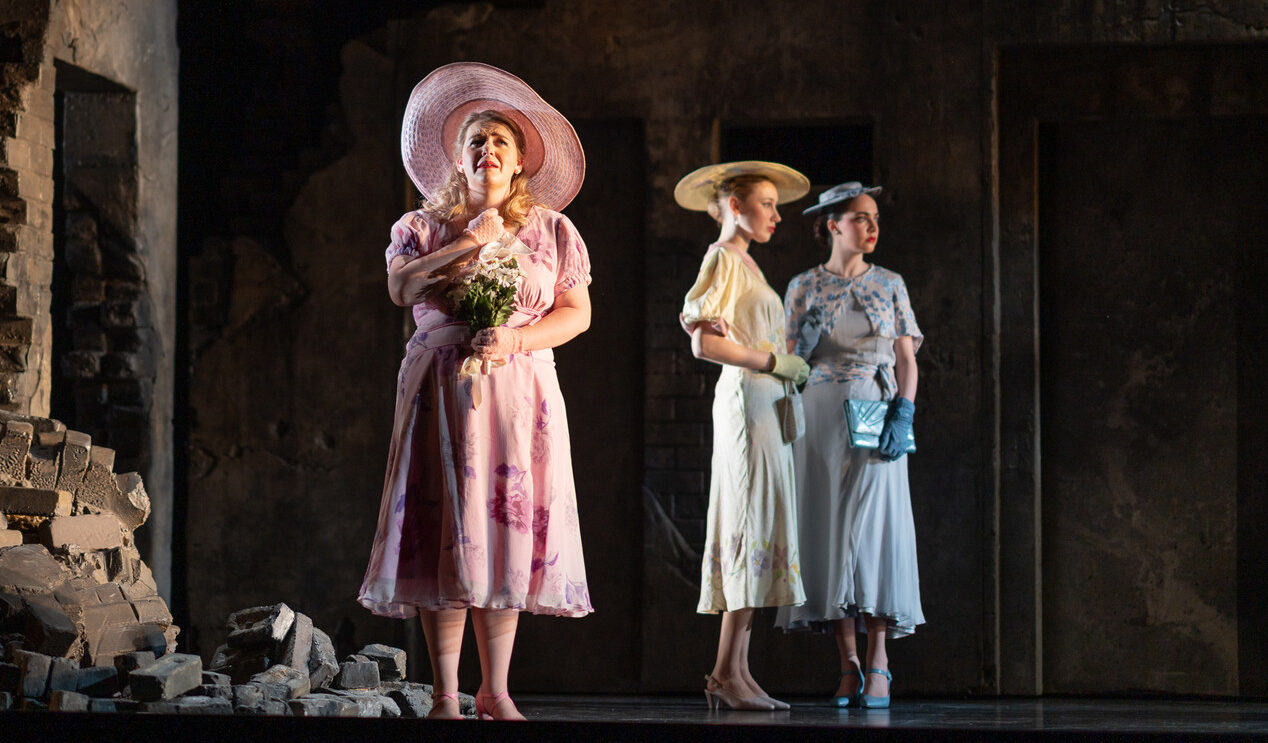
 Soprano Jessica Blunt says opera mirrors some of the greatest themes about what it means to be human. Love, loss and sacrifice feature in West Australian Opera’s new production of La traviata.
By Ara Jansen
In an opera every singer brings their own experience and unique voice to a role, which makes no two performances the same.
For soprano Jessica Blunt, her debut lead role as Violetta for West Australian Opera’s La traviata this month will be as unique as she is.
“My version of a character is never going to be like someone else’s,” says Jessica. “I have to understand my character and see how they speak to me. It mixes with how I see life, and I can add my colour and interpretation.
“That’s what is so exciting about opera – how unique it can be. A singer will bring their own taste and flavour, their own emotions and life experience. I draw from my life experiences to see what might be similar to what Violetta is experiencing.”
RELATED: From comedy to sculptures and Fringe – what’s on in the West this summer
Being a glamorous courtesan falling in love with an idealistic aristocrat isn’t everyone’s experience, but love, loss or dating someone your parents hate stand as fairly universal.
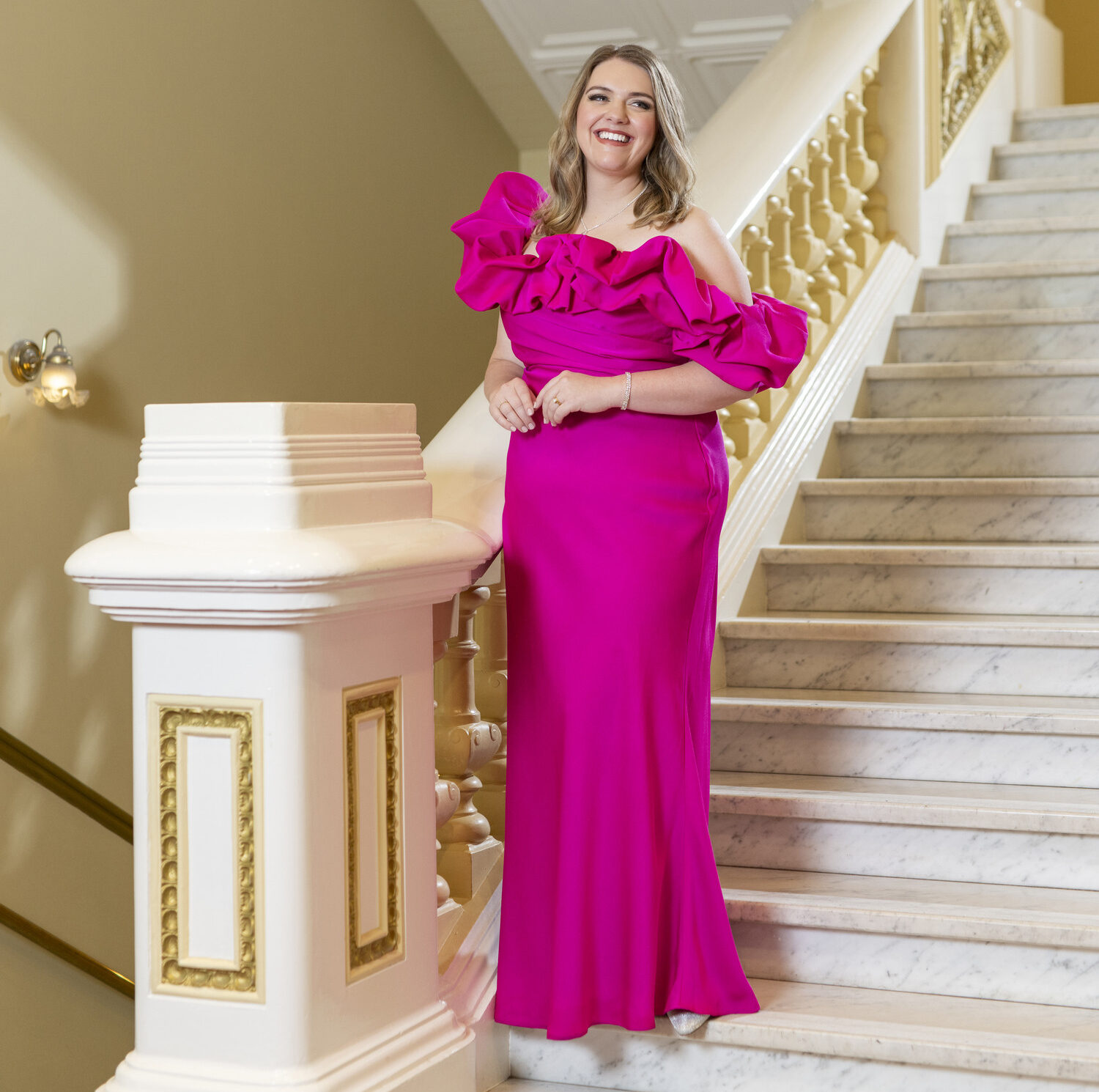
Considered one of the great love stories, in La traviata courtesan Violetta and aristocrat Alfredo have a society-defying passion which ultimately destroys them. Alfredo’s father demands Violetta leave her man to protect the family’s honour and she agrees to make the ultimate sacrifice.
“At its core opera has those huge themes of humanity and so much of what we experience as human beings – versions of love, sacrifice and death. Violetta reminds us to make the most of the time we have, try and live the best lives we can and find joy and meaning in that.”
Part of Jessica’s preparation for the part is digging into Violetta’s emotions so she is not only able to sing the words in Italian but give them the right weight, emotion and level of sincerity.
RELATED: Sculpture by the Sea back at Cottesloe
“I have a bit of a process when I start working on a new role. I always start with the language, because in opera, the story and text are really important while the music serves as the drama. I start with what I am singing and thinking and I have to understand every word.
“I studied Italian and I can carry on a conversation – I’ve prioritised learning the languages I will be singing in. I want to be as real as possible and make sure I know why she is saying what she is saying and what has led her to this point.”
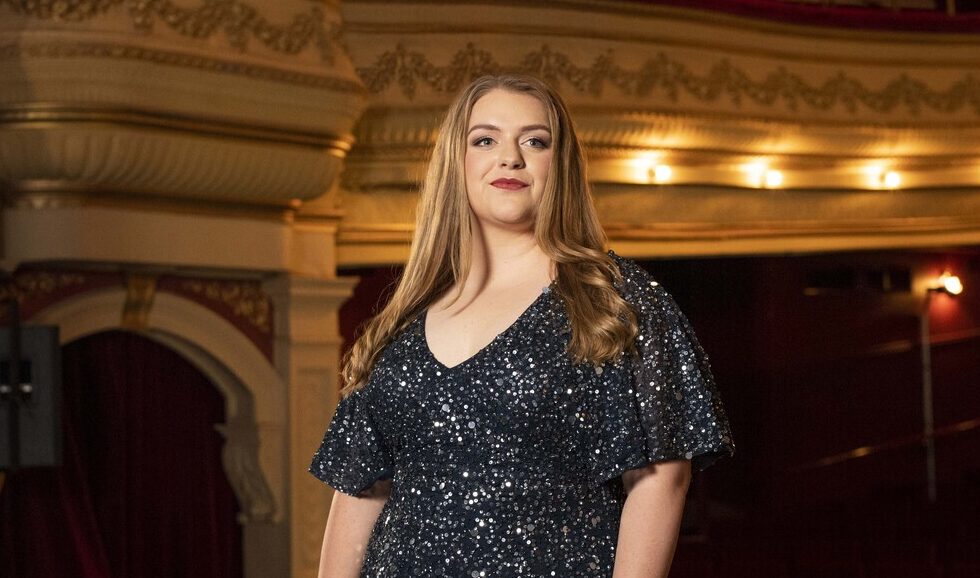
Jessica has synesthesia which gives her an added sensory layer that she says enhances her musical perception, memorisation and performance.
This neurological phenomenon allows a singer to see the colour of a pitch, feel the texture of a harmony or map an entire aria in their mind’s eye. This also means her scores are annotated in all the colours of the rainbow.
In any opera, there are a lot of balls for a performer to juggle – singing, acting and sometimes dancing, much like their musical theatre counterparts.
Let’s not forget too, for the female characters, the added strain of a heavy costume, requiring strength and aerobic fitness to simultaneous sing, move and carry the dress.
“You need to do plenty of exercise and have lots of stamina to prepare yourself for carrying a heavy costume around for three hours and still be able to sing strongly.
“Singing opera is a full body exercise and you’re likely doing it for three hours non-stop and about seven times in two weeks, as well as feeling all the feelings of the story while connecting with the audience and the people on stage with you. It’s an incredibly athletic job.”
La traviata is at His Majesty’s Theatre from March 14-28.
Want more news, clinicals, features and guest columns delivered straight to you? Subscribe for free to WA’s only independent magazine for medical practitioners.
Want to submit an article? Email [email protected]