

 With around 70% of menopausal women reporting low sexual desire as part of their symptoms, it’s a conversation that needs to form part of menopause consults.
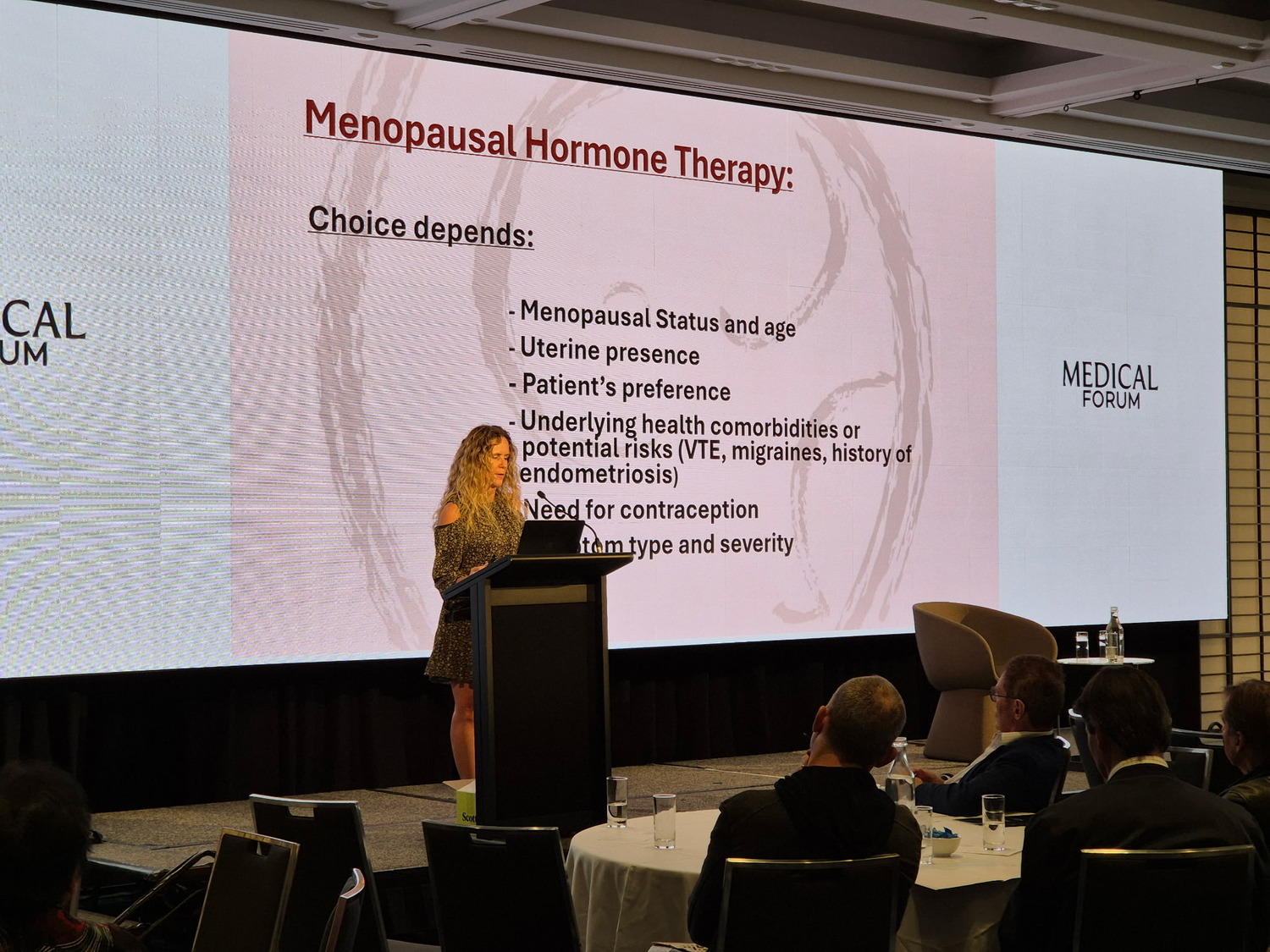
Speaking at Medical Forum Live on May 9, women’s health specialist GP Dr Lauren Neppe addressed the dos and don’ts of managing patients with menopause.
While many GPs may be familiar with menopause hormone therapy – are you also speaking to your patients about sexual function and relationship satisfaction?
A large area in treating menopause is sexual difficulties, Dr Neppe said. She told the audience it can be lifelong, or recently acquired, but it’s a very common problem in menopause that isn’t solely linked to hormones.
“Women often say the changes in their body make them feel more self-conscious about their body, particularly in relation to sex,” she said.
There may also be underlying relationship problems and other pressures impacting a woman’s sexual desire outside of hormone levels, she said.
RELATED: Beyond hot flushes – the HRT debate
Hypoactive sexual desire dysfunction is defined as a persistent or recurrent lack of sexual desire, which causes personal distress for patients. It is common during menopause.
Research suggests seven in ten women aged between 40-64 report low sexual desire, while one in three report low desire with distress.
It should be treated like any other symptom of menopause, Dr Neppe explained.
“For many women, decreased libido is not seen as a problem in their lives, but other women may not have the confidence to raise the issue and therefore it should be raised in general and menopause consultations,” she said.
“For example, ‘Do you have any concerns in relation to sexual desire?’.
“Ask them about their relationship, including any sexual dysfunction their partner might be experiencing, and recommend relationship therapy if necessary.”
Alongside these questions, it’s important to also treat individual symptoms as they arise, such as vaginal dryness, which can impact sexual function.
In some postmenopausal patients, testosterone therapy may be appropriate. Data suggests that by the time women are in their 40s their blood testosterone levels are half what they were when they were in their 20s, which can affect sexual function.
A good midlife checkpoint
Dr Neppe encouraged GPs to use menopause consults as an opportunity to do a full midlife health assessment, as well as deciding the best course of treatment for menopause symptoms.
Ask patients about previous pregnancies and any obstetric issues like gestational diabetes, she said.
It is also a good chance to get a better picture of their family history of disease that may be impacted by changing hormone levels such as breast cancer, DVT, thyroid disease and osteoporosis.
She spoke about her own use of symptom tracking charts to manage her patients going through the menopause.
Dr Neppe uses the Australian Menopause Society symptom score card to note patient symptoms and regularly compare them to determine any treatment changes that might be required.
She closed her talk with helpful tips for menopause review:
- Review in three months to address symptom control
- Adjust the hormone dose or examine the cause of symptoms
- Monitor LFT’s or testosterone levels
- Once the patient is stable, review every six to 12 months
Want more news, clinicals, features and guest columns delivered straight to you? Subscribe for free to WA’s only independent magazine for medical practitioners.
Want to submit an article? Email [email protected]