

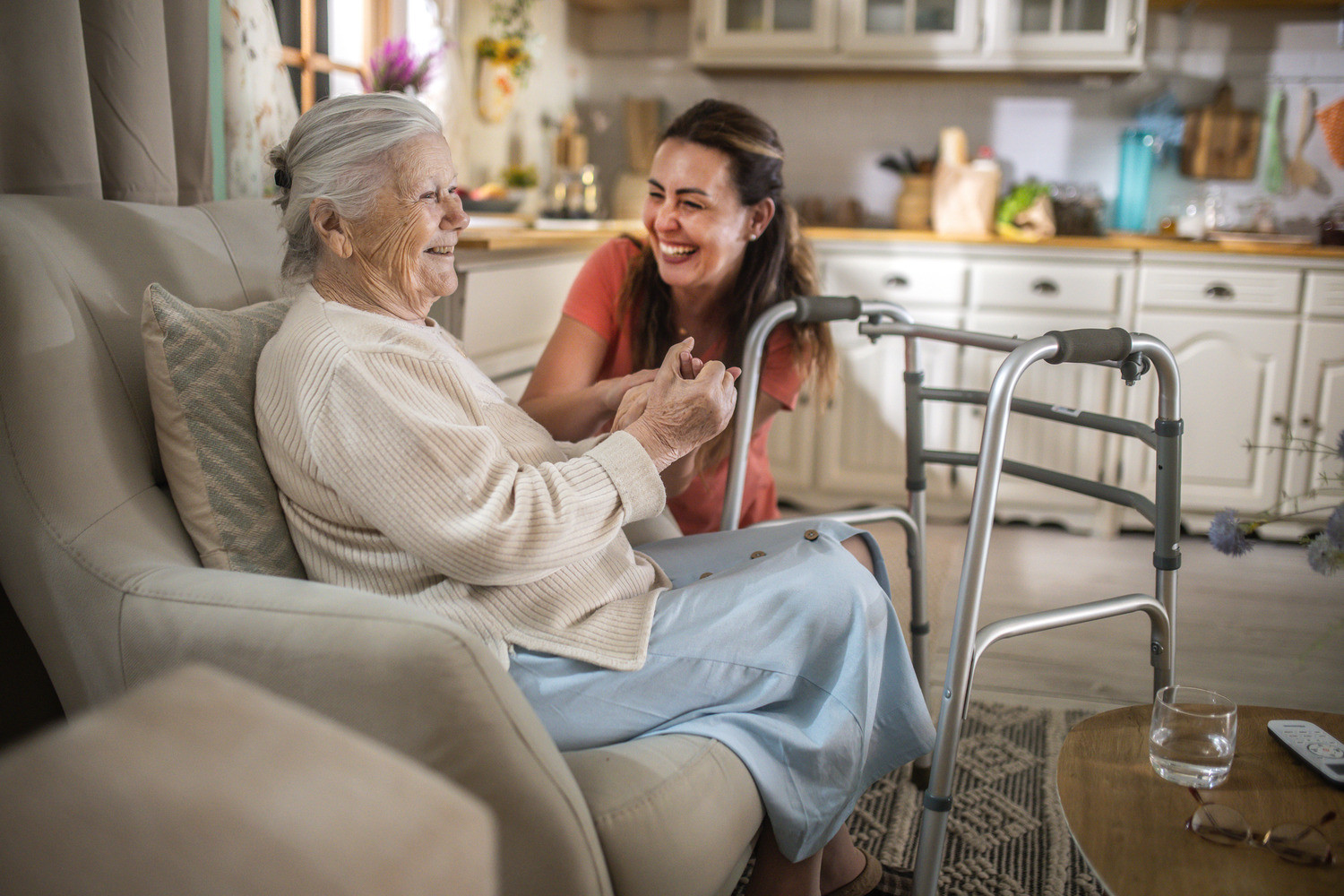
 New research has revealed older Australians receiving home care services are significantly less likely to be hospitalised when they continue seeing a regular GP.
The study analysed health outcomes for more than 120,000 people aged 65 and over receiving long term home care.
It found people who continued seeing their usual GP had an 18 to 28% lower risk of going to an emergency department or hospital, compared with those who frequently saw new doctors.
Led by the Registry of Senior Australians (ROSA), Research Centre at South Australia’s Health and Medical Research Institute (SAHMRI) and Flinders University, the research has been published in the Journal of the American Geriatrics Society.
ROSA associate director, Professor Gill Caughey said the findings highlighted the importance of long term relationships in primary care for older people with complex health needs.
“Continuity of care really matters for older people,” she said.
RELATED: GP’s check up for WA health system
“When someone is seeing a GP who knows their medical history, medications and priorities, we see fewer hospital visits and better health outcomes.”
The study also looked at patterns of primary health care use and found the strongest outcomes were linked to preventative, multidisciplinary care.
Older people who received longer GP consultations, care management plans and allied health support, with less reliance on urgent or after-hours care, had a 15 to 36% lower risk of hospitalisation and reduced mortality.
The RACGP has been advocating for a 40% increase to Medicare rebates for Level C and Level D consultations to better reflect the cost of delivering care.
Prof Caughey said the findings reinforced the value of proactive care that focused on prevention and coordination, rather than responding to crises once health deteriorated.
“This is about identifying problems earlier and managing them better, with GPs, nurses and allied health professionals working as a team,” she said.
“If we want older Australians to not only age in place but age well, we need systems that support long term GP relationships and coordinated, preventative care.”
In a Q&A with Medical Forum, RACGP vice president and WA Chair Dr Ramya Raman said continuity of care was what changes outcomes.
RELATED: Q&A with RACGP Vice president and WA Chair Dr Ramya Raman
“A GP who knows the patient, their medications, family context and history can often prevent deterioration before it becomes a hospital presentation,” she said.
Dr Raman said conversations needed to shift from short term measures toward long-term sustainability of general practice and funding models that support that.
Want more news, clinicals, features and guest columns delivered straight to you? Subscribe for free to WA’s only independent magazine for medical practitioners.
Want to submit an article? Email [email protected]